
IL MONDO DEI QUASI (THE WORLD OF THE ALMOSTS) by Fernando Melo. A new production for young audiences by CCN/Aterballetto
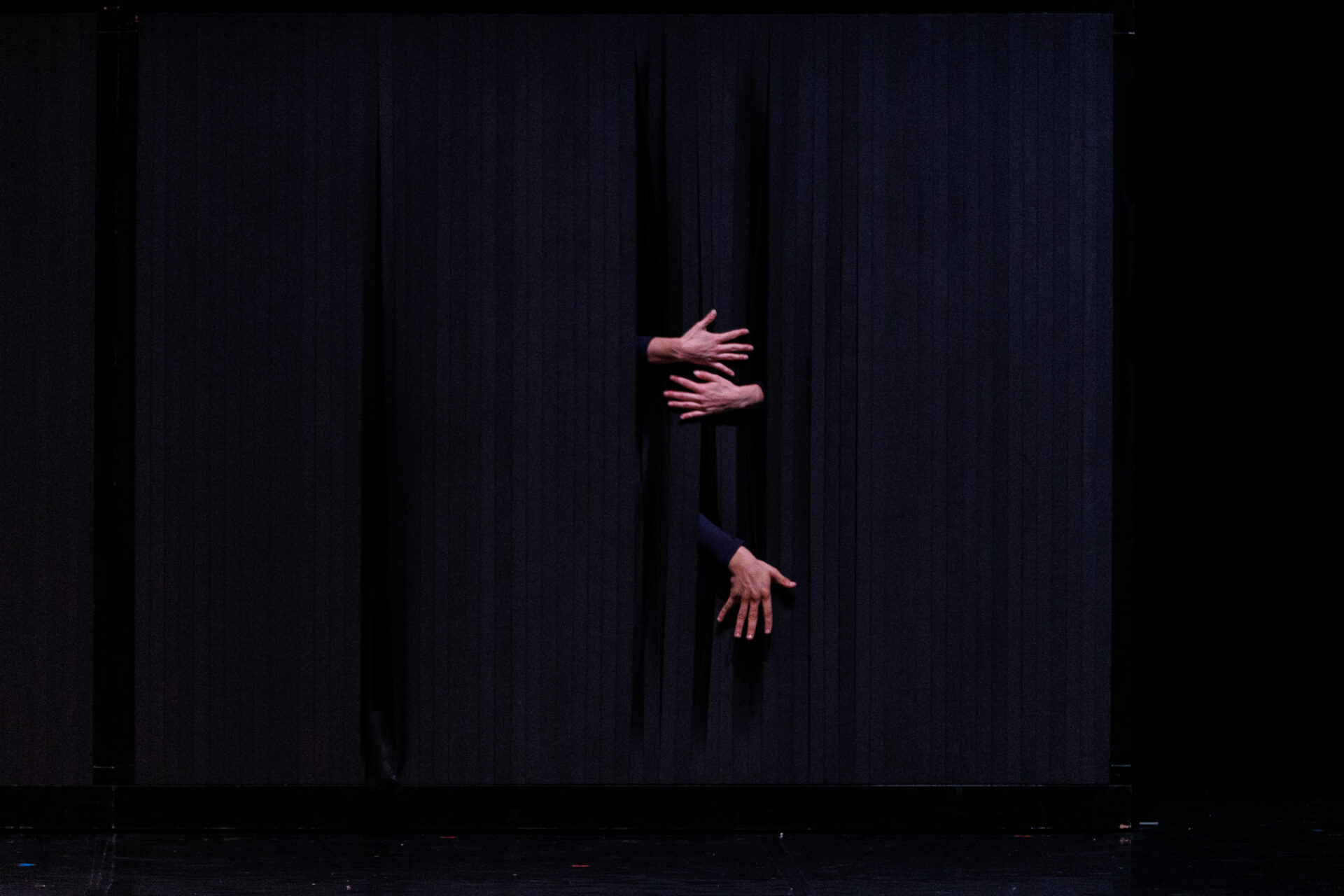
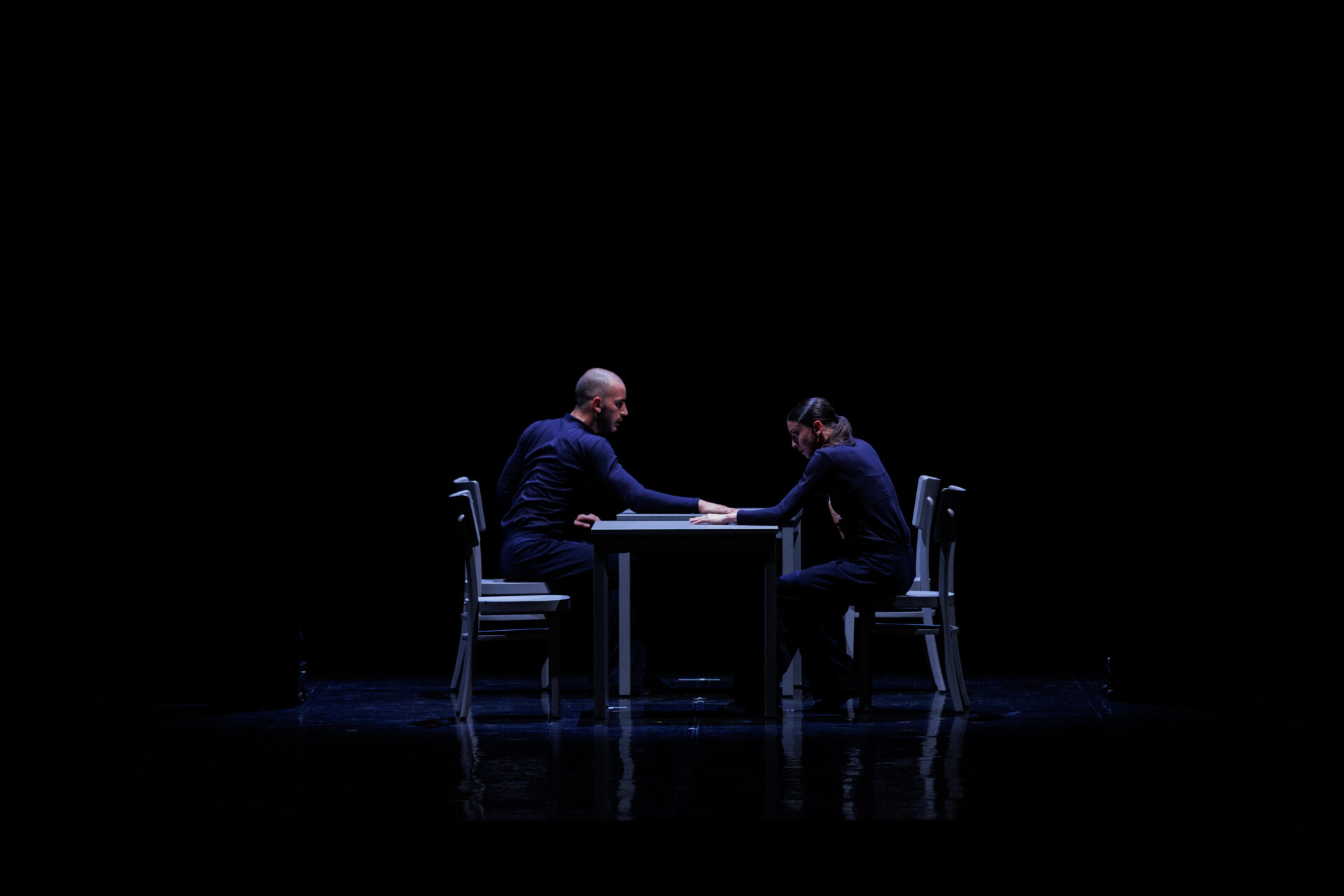
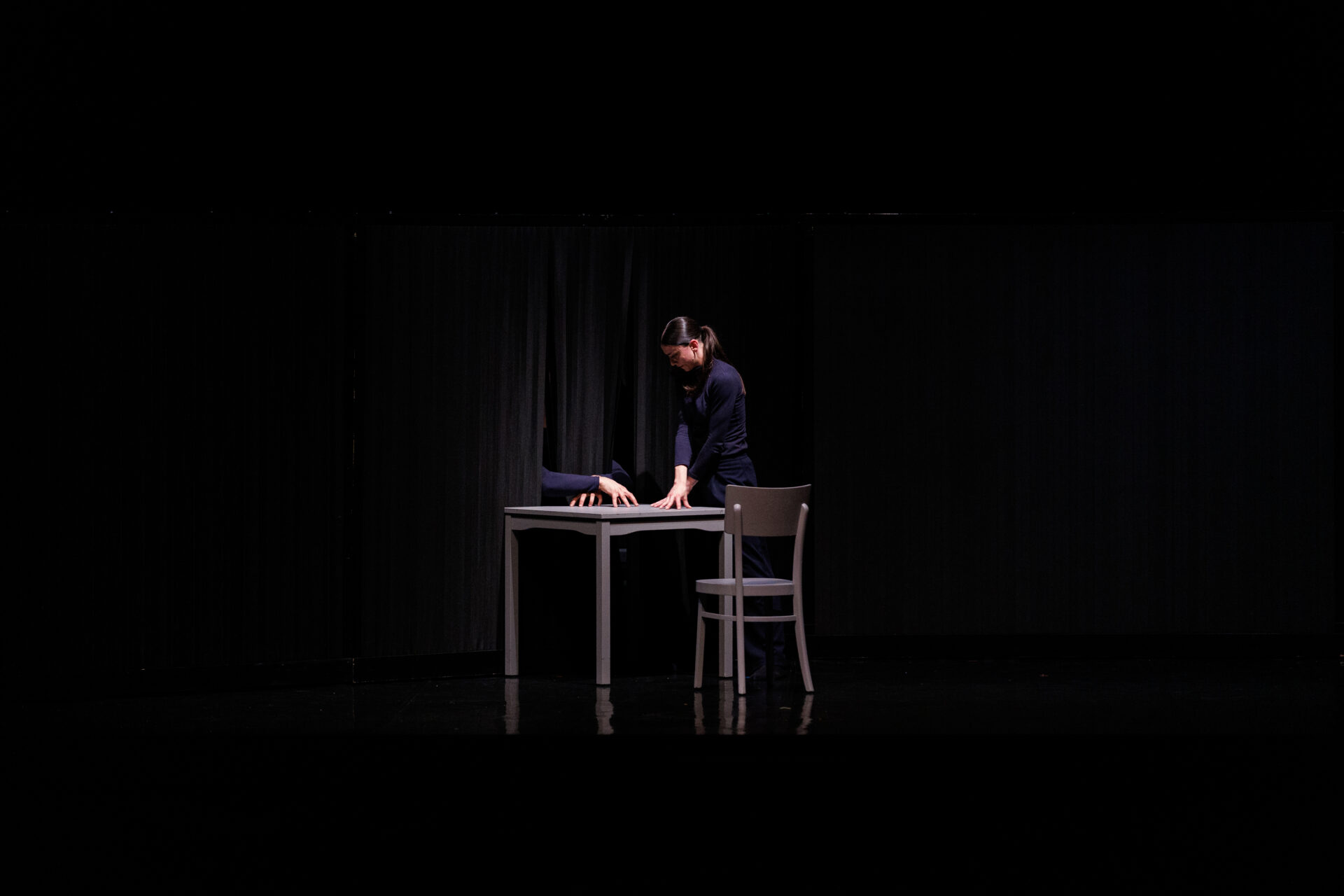
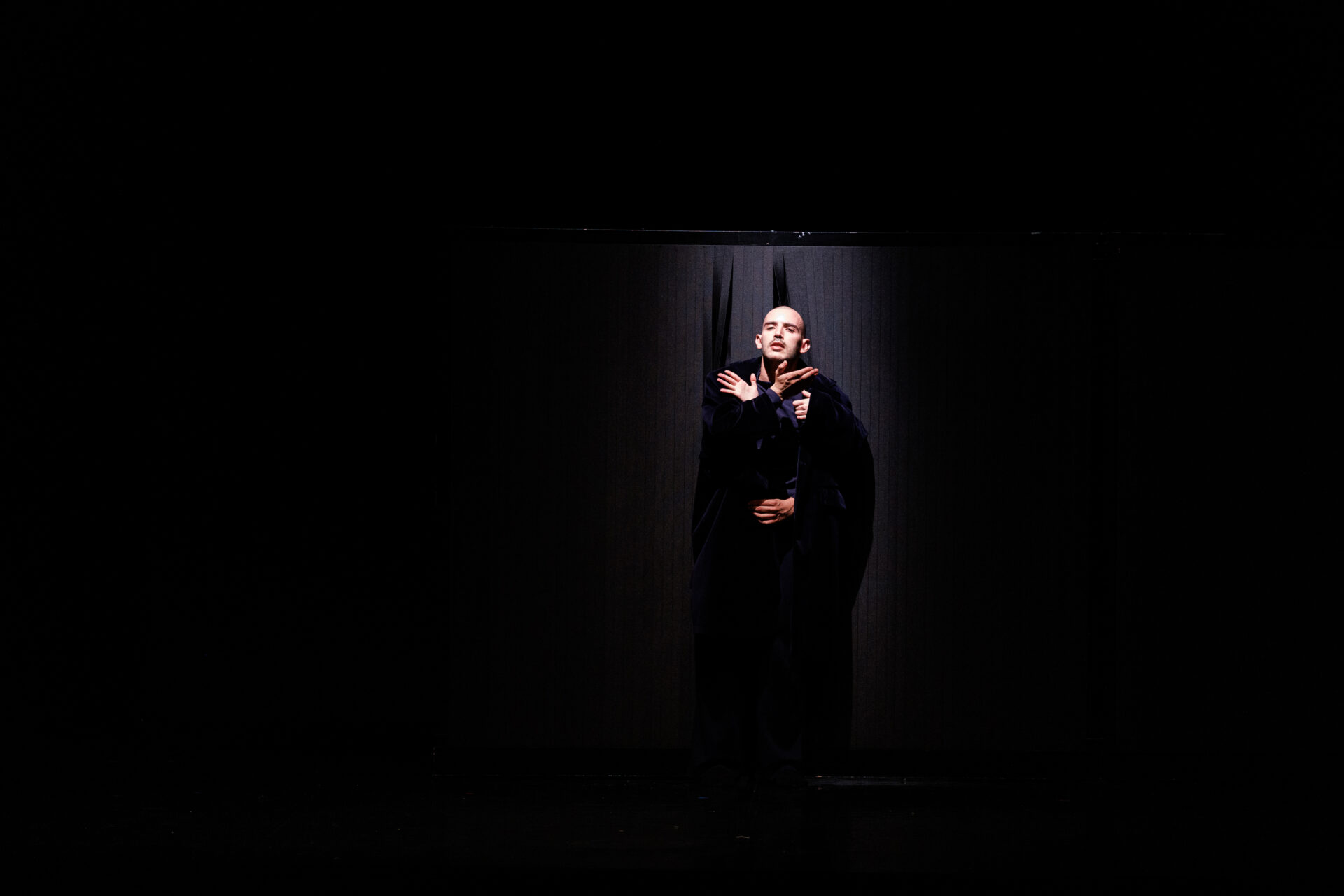
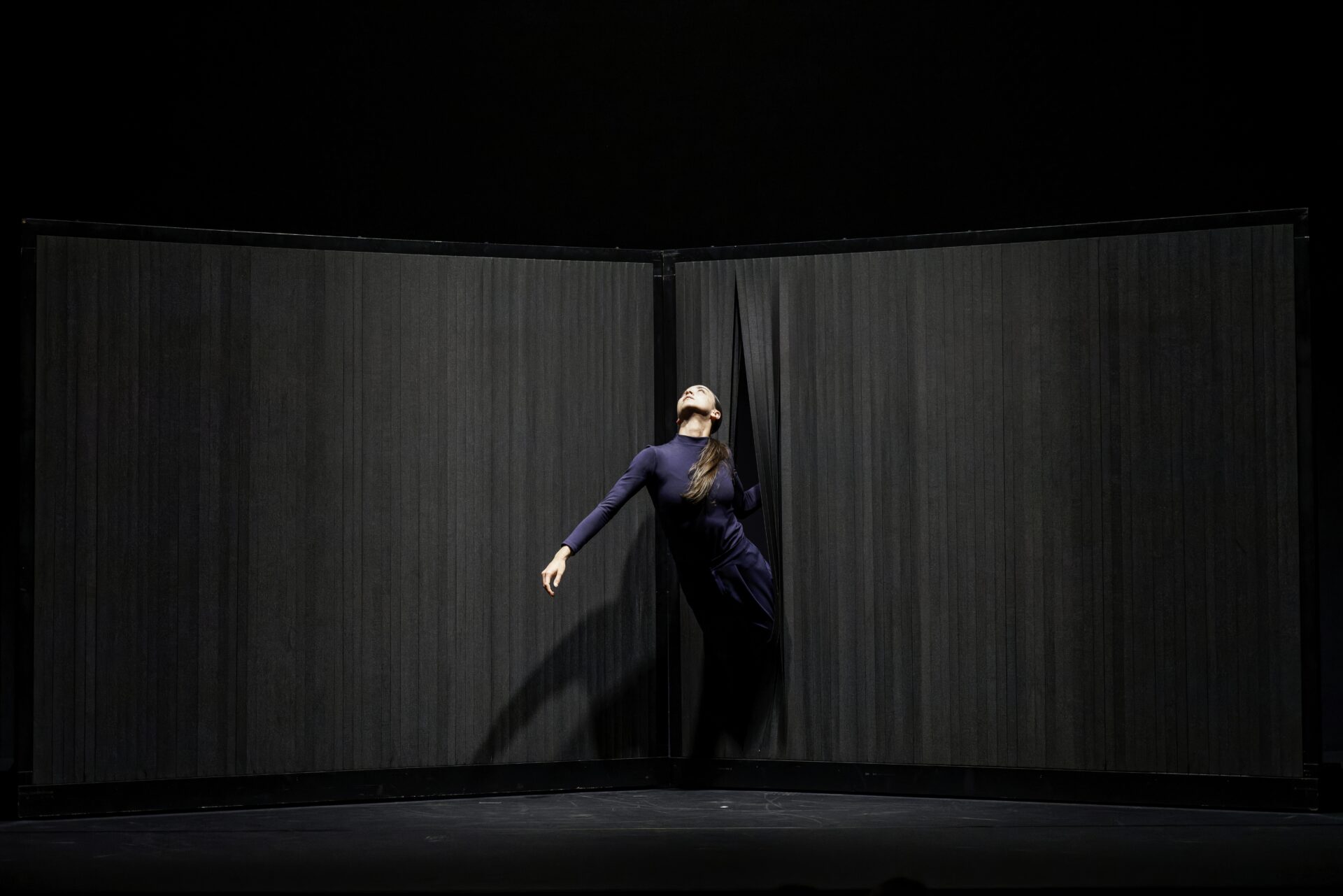
In a strange and playful world of soft, ever-shifting walls, two figures appear, disappear, play hide-and-seek, and search for one another. They move closer, drift apart, and meet again in ever-changing ways, as though the space itself were playing with them. Around them, everything is constantly transforming, filled with small surprises that make every encounter unpredictable.
Through movement, surprise, and imagination, the performance invites young audiences into a world where nothing ever stands completely still and every encounter is an adventure. At its heart, the work reflects on our deeply human need for connection: how we approach one another, and how connection is not always immediate but something we build through curiosity, patience, and play.
By engaging with these ideas, children are encouraged to reflect on empathy, communication, and the joy of trying to understand others and to be understood.
Fernando Melo – Choreographer
Choreography, set design, and costumes Fernando Melo
Music Bill Evans, Laurent Dury
Costume construction Nuvia Valestri
Choreographic Assistant Ivana Mastroviti
Dancers Matilde Di Ciolo, Matteo Capetola
Production Fondazione Nazionale della Danza / Aterballetto
in collaboration with Stazione Utopia
Duration: 50 minutes
Recommended for ages 4–7
The performance was created as part of In Search of Wonder, a research project by the National Choreographic Centre / Aterballetto dedicated to the creation of a dance production for young audiences.
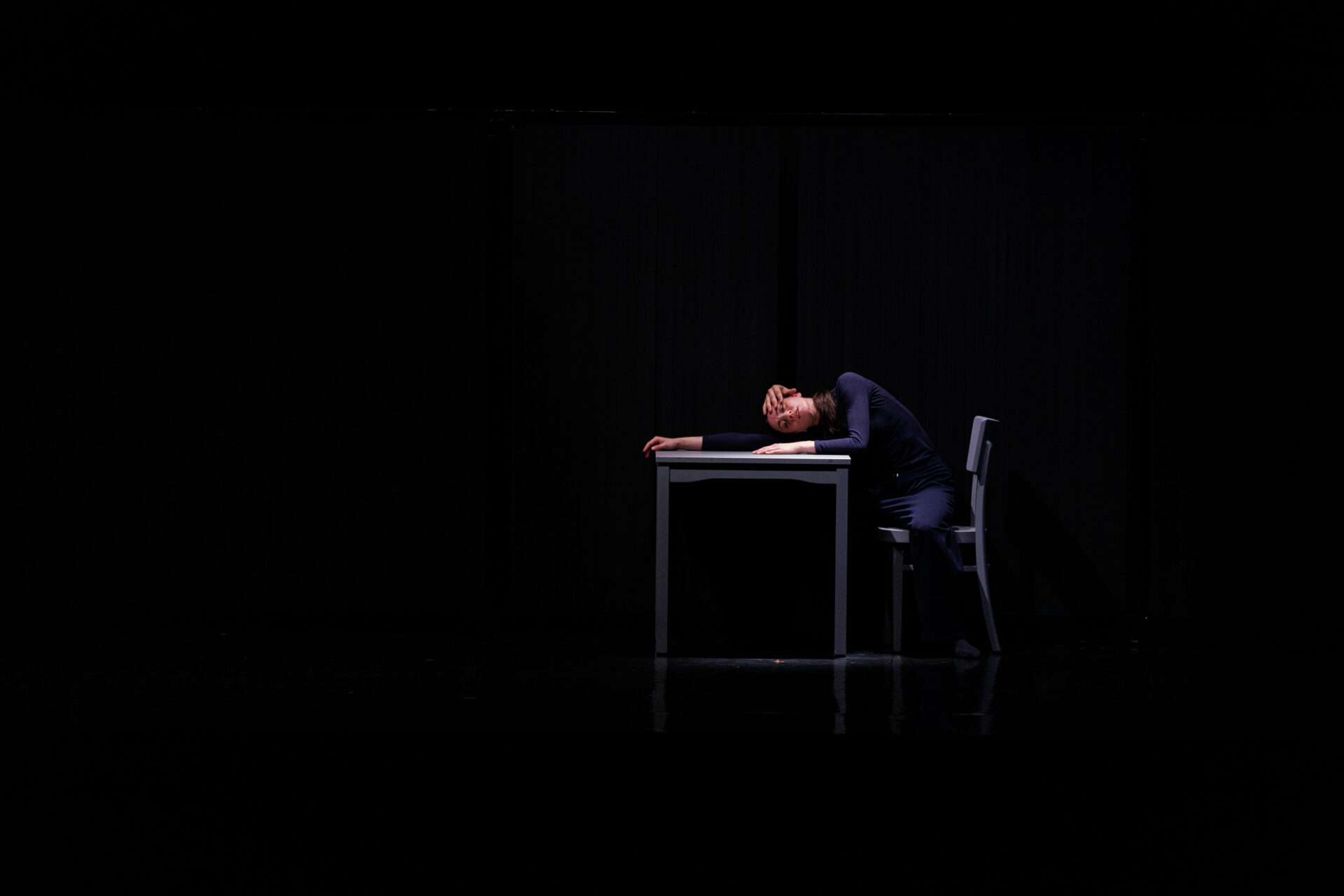
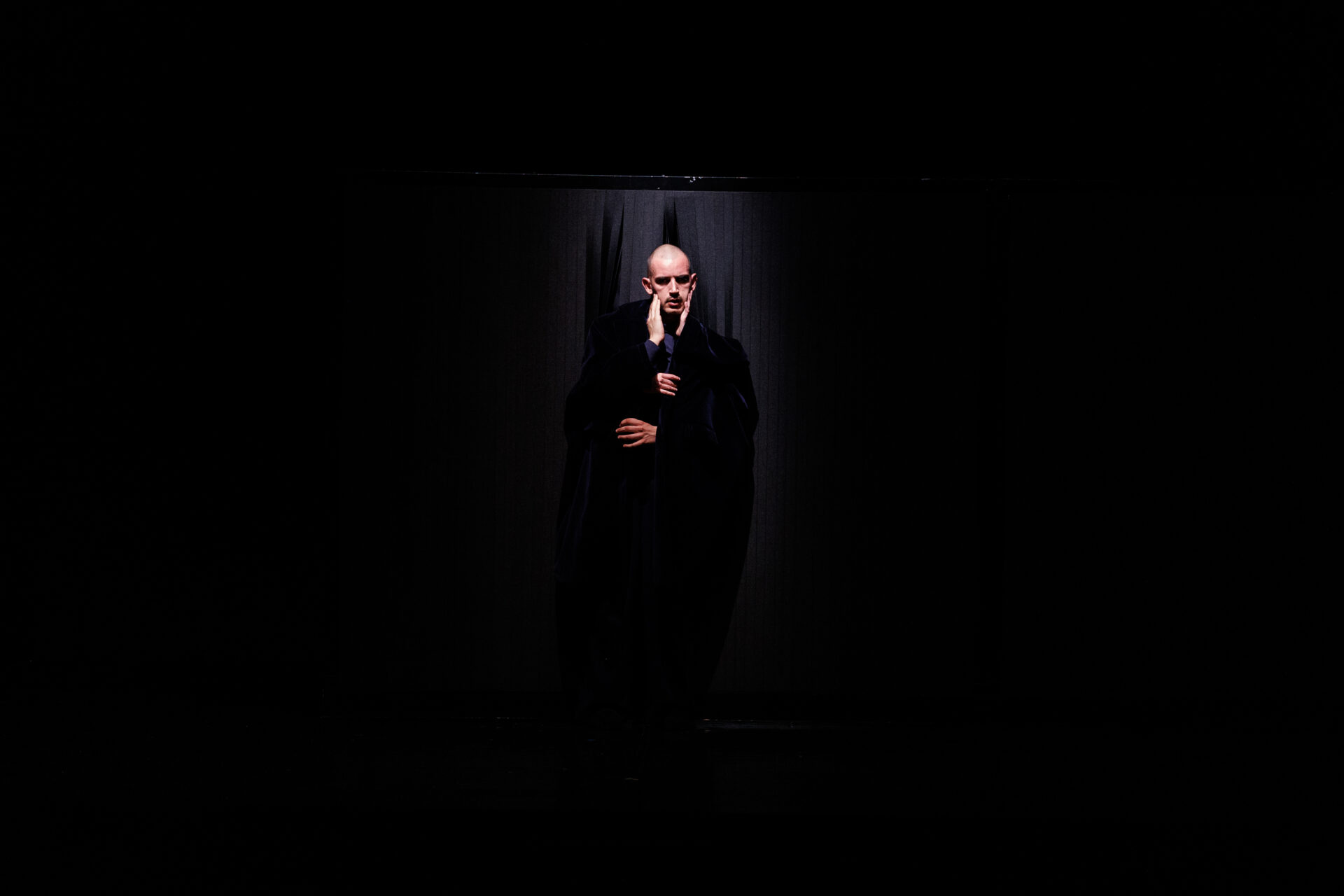
Fernando Melo, Choreographer
Brazilian choreographer Fernando Melo, based in Europe, has developed an intense and theatrical movement language that combines physicality, imagination, and emotional depth. His creations are distinguished by their strong visual quality and a choreographic writing that weaves together energy, relationships, and non-linear storytelling.
Praise of Wonder by Fernando Melo
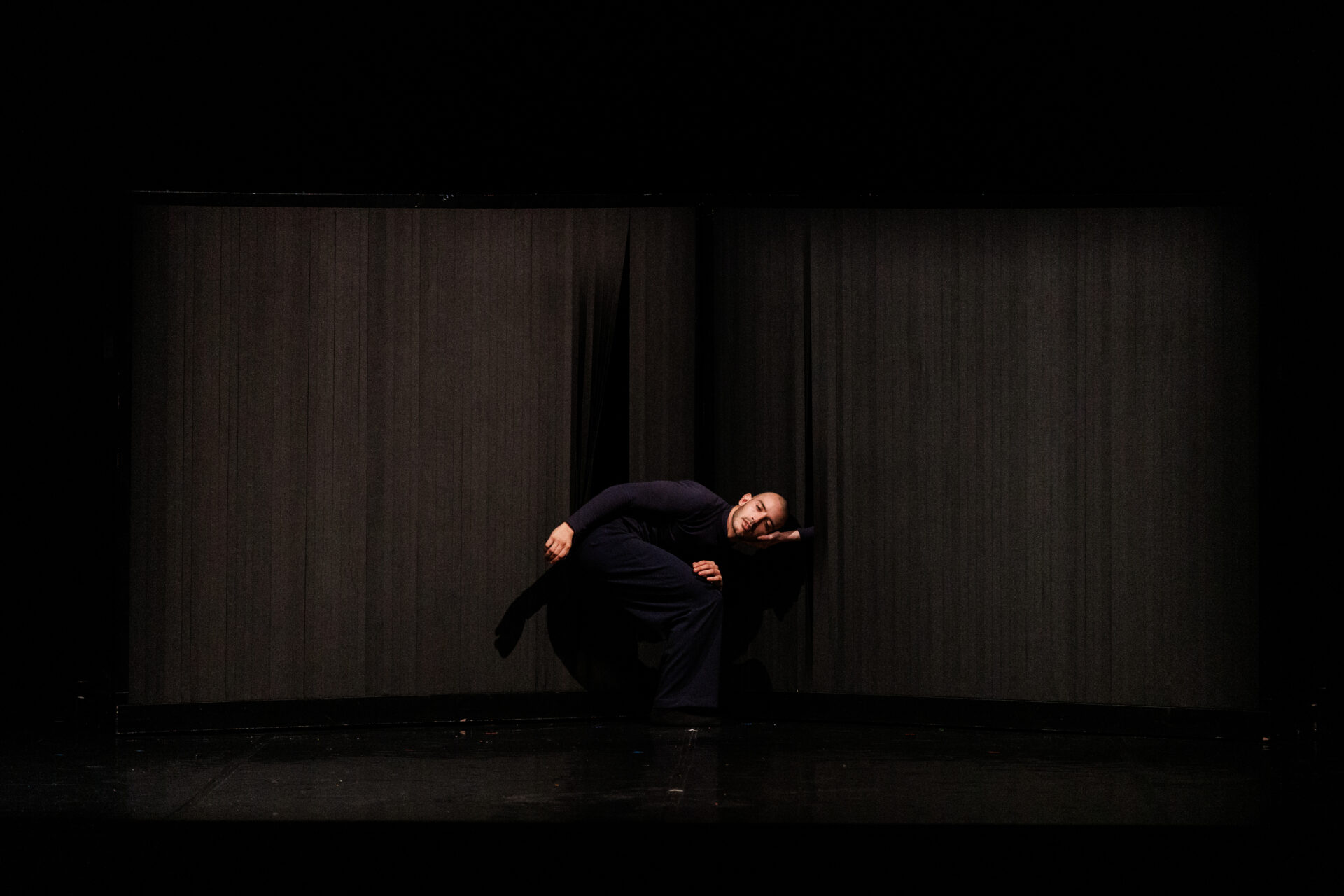
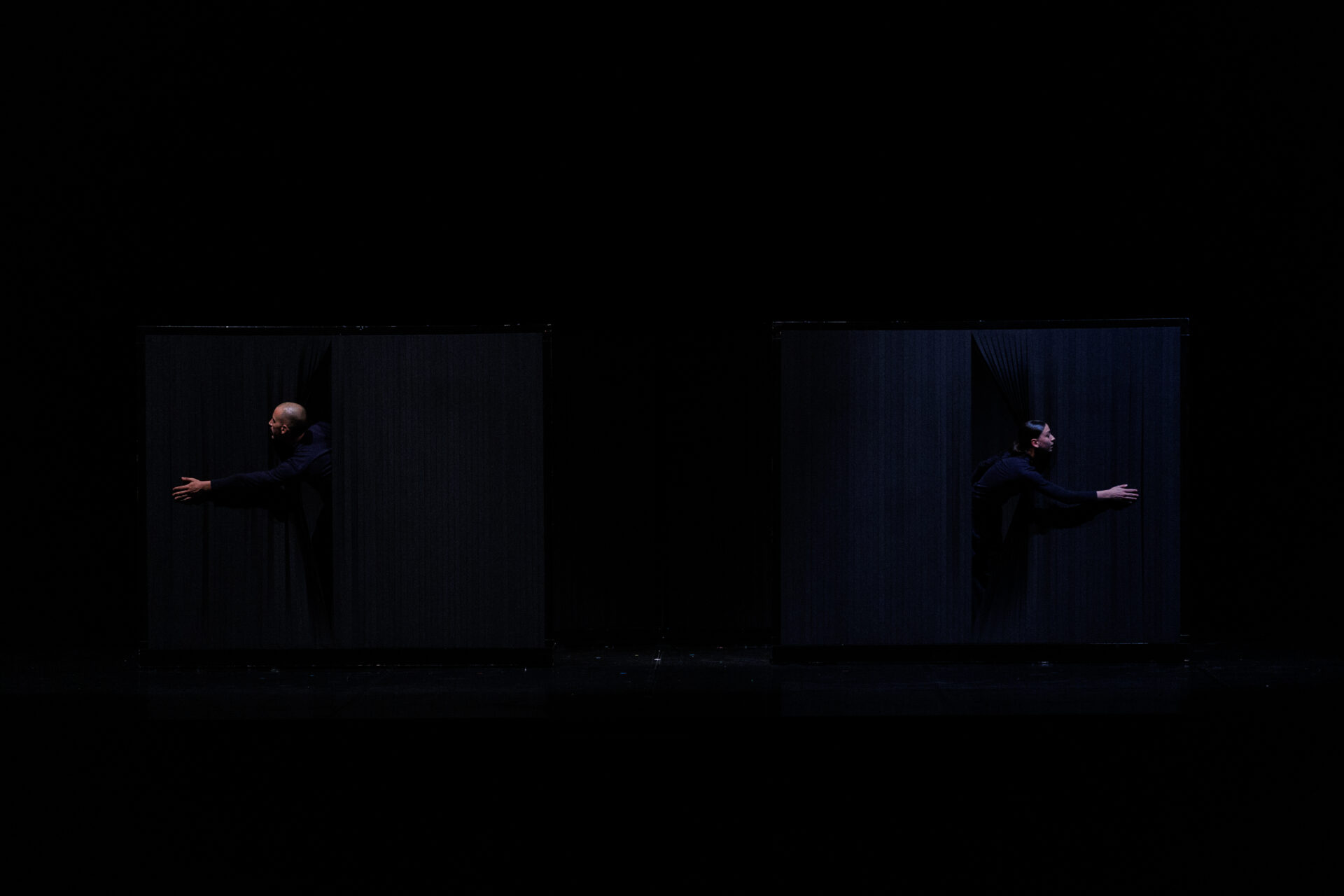
Two black panels, made by placing side by side elastic strips, allow the pair of dancers – invisible at the beginning of the choreography – to move through them with ease, first with their hands, then their arms, legs, and finally their entire bodies. The performers, Matilde Di Ciolo and Matteo Capetola, explore the flexible scenic structure, experimenting with both its technical features and its expressive potential. The two panels allow for partial appearances and sudden disappearances, subtle exchanges of position between the dancers, and mysterious ambiguities, constantly keeping the audience’s attention alive while continuously shifting their point of view. Following a musical score with a delicate and almost imperceptible crescendo, the dancers immerse the audience in a fluid and welcoming dimension, where it is natural to surrender to the astonishment and wonder that the ever-changing choreography is able to evoke.
The dancers play, with cunning and dexterity, both with each other and with the stage objects, creating a fast-paced and ever-changing choreography, characterised by a clever and joyful sense of fun reminiscent of silent film comedy, Buster Keaton, and slapstick finales. Once again, the aim is to highlight the surprising magic that dance can create, leaving audiences amazed by the unexpected and ever-changing microcosm brought to life on stage.
Laura Bevione – Critic