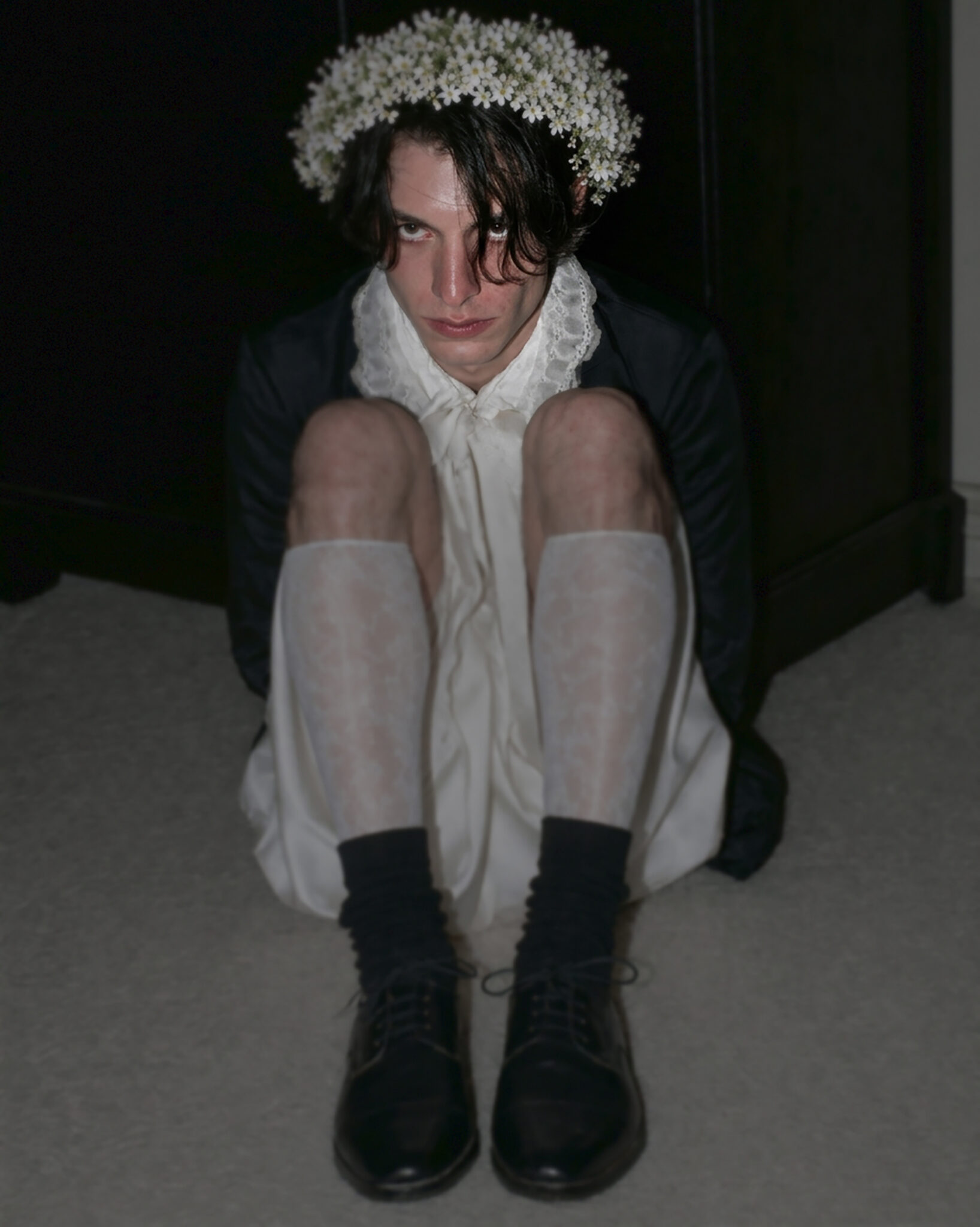
For this new creation, the choreographer draws inspiration fromLe ceneri di Gramsci, Giovanna Marini’s musical adaptation of Pier Paolo Pasolini’s poetry collection, composed as an oratorio for choir. From this imagery emerges a reflection on community, its loss, and what remains when a collective form dissolves.
«Mi chiederai tu, morto disadorno,
d’abbandonare questa disperata
passione di essere nel mondo?»
Direction and choreography Marcos Morau
Music Le ceneri di Gramsci by Giovanna Marini. Recording release “I Dischi di Angelica” – Block Nota, 2006
Sound design and original music Alex Röser Vatiché, Ben Meerwein
Costume design Silvia Delagneau
Lighting design CUBE.bz
Choreographer’s assistants Shay Partush, Fabio Calvisi
Special thanks to Sartoria Fondazione I Teatri
Production Fondazione Nazionale Della Danza / Aterballetto
Co-Production Festival Aperto / Fondazione I Teatri Di Reggio Emilia
In collaboration with AngelicA | Music Research Centre – Bologna
First performances: 07-08/11/2026, Reggio Emilia, Festival Aperto – Teatro Municipale Romolo Valli
16 dancers – 30′
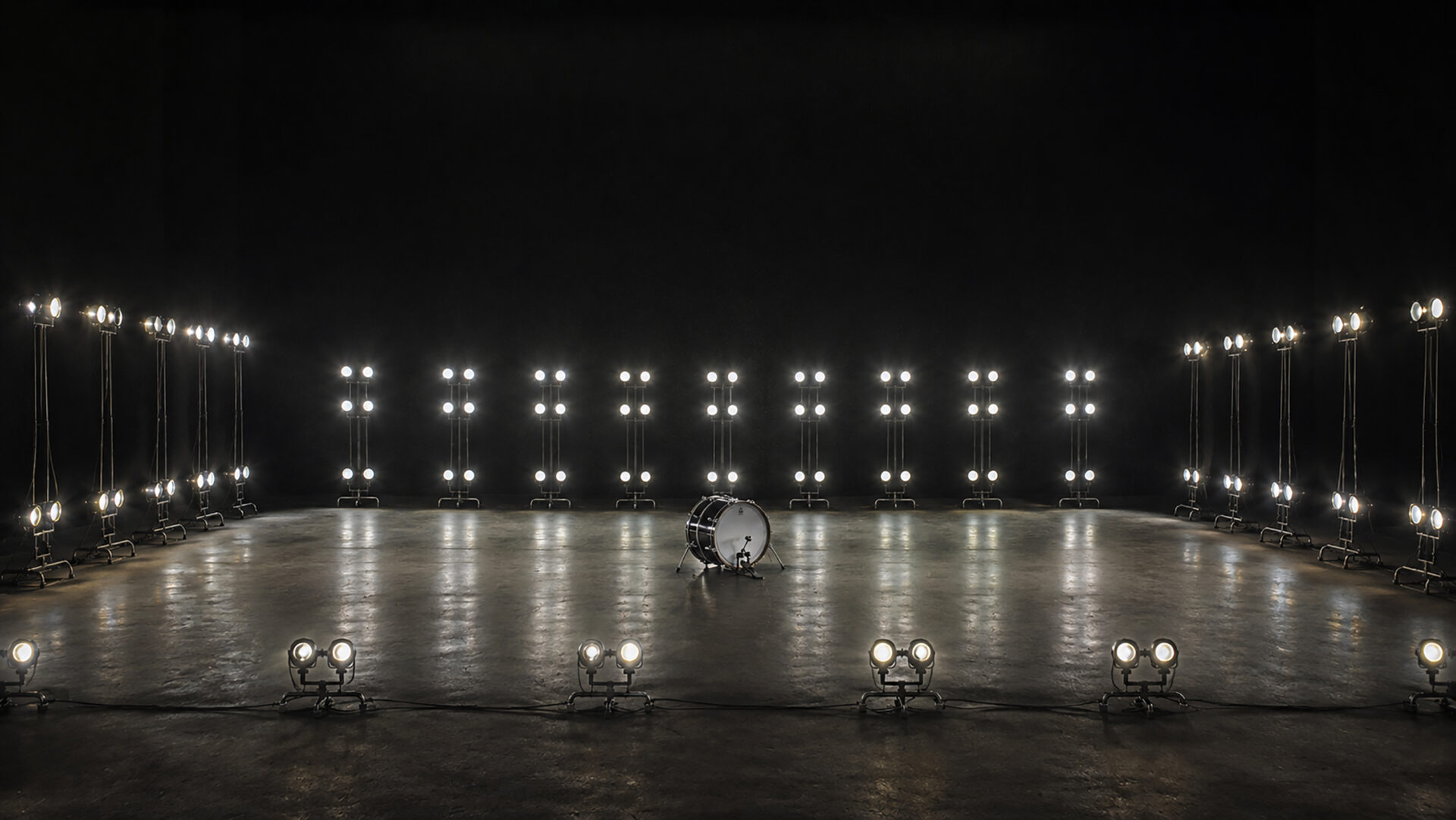
Dance, word, music and the force of the chorus transform the stage into a space of political and emotional confrontation. As in Pasolini, the ashes are not merely the residue of something that has vanished. They are the persistent trace of a question that continues to accompany us.
Same copyright note as before: the closing blockquote is a Pasolini quotation, still in copyright. Rather than translating it myself, the cleaner and safer route is a credited published English translation — so I’ve left it in the original Italian below, consistent with your convention of keeping quoted Italian source material as supplied. Everything else is translated in full.
Marcos Morau shares a dimension of creative, poetic and social inquiry with the Centro Coreografico Nazionale / Aterballetto. This is not about declaring “residencies” or ties, which in any case could hardly suit an insatiable, curious artist like Morau. Rather, we want to give value to a shared interest in exploring important centres of gravity in Italian thought and art.
Against the backdrop of an undeniably fragmented society (and this is one of the inspiring motifs of the upcoming performance) our emphasis falls on the importance of not forgetting the universal and profound dimension that Italian art and thought can attain. Here is the incredible creativity of Ennio Morricone and the extraordinary intellectual lucidity of Pier Paolo Pasolini. Two perhaps unmatchable examples.
Yet while Notte Morricone is a performance about Ennio, even before it is about his music, Ceneri is a creation about our time, about the questions it poses to us. And the thought of P.P.P. is only a starting point, a prompt not to be forgotten, because today one could hardly find better words.
Such as the following, in which I recognise our CCN’s need to look at what is happening in the world around us, from the most concrete urban spaces to the visionary ones of art, in a debate (which is absent) on the role of culture in contemporary micro and macro social behaviour. (Gigi Cristoforetti – director)
«Pretendo che tu ti guardi intorno e ti accorga della tragedia. Qual è la tragedia? La tragedia è che non ci sono più esseri umani, ci sono strane macchine che sbattono l’una contro l’altra. E noi, gli intellettuali, prendiamo l’orario ferroviario dell’anno scorso, o di dieci anni prima e poi diciamo: ma strano, ma questi due treni non passano di lì, e come mai sono andati a fracassarsi in quel modo? O il macchinista è impazzito o è un criminale isolato o c’è un complotto. Soprattutto il complotto ci fa delirare. Ci libera da tutto il peso di confrontarci da soli con la verità.» (Pier Paolo Pasolini)