
Cultura e Conflitti (Culture and Conflicts)
Tuesday, December 2, 2025
10:00 AM – 1:00 PMBologna | Oratory of San Filippo Neri
Via Manzoni, 5
In the spring of 2026, CCN/Aterballetto canceled a tour in Tel Aviv and declined an invitation to St. Petersburg. And the coming months—and likely years—promise to be complicated in terms of geopolitics and conflict.
What role can art and culture play?
Will they be instruments of dialogue? An unbroken thread between a better past and future? Or a terrain vague on which to build walls?
And if the institutional dimension cannot ignore political thought, what will become of artists’ freedom of expression (real ones, not those voices serving propaganda)? What will become of the possibility—and certainly necessity—that they not enter a creative stand-by until history completes its inevitable cycle?
Under the patronage of the Emilia-Romagna Region, CCN/Aterballetto, together with AGIS, is promoting a meeting to hear testimonials on the topic of “Culture and Conflicts” in Bologna on Tuesday, December 2nd.
A presentation by Professor Andrea Carati, a political scientist at the University of Milan, will serve as the starting point for the meeting, providing an objective overview of communication difficulties at all levels during times of conflict.
Luca Vecchi, Chief of Staff to the President of the Emilia-Romagna Region, will provide the institutional perspective of a region that has always been at the forefront of international relations.
A presentation by Nicolas Ballario and the testimonies of several professionals working in very different roles, yet often in contact with the issues at hand, will further illuminate the space for culture amidst wars and conflicts.
News
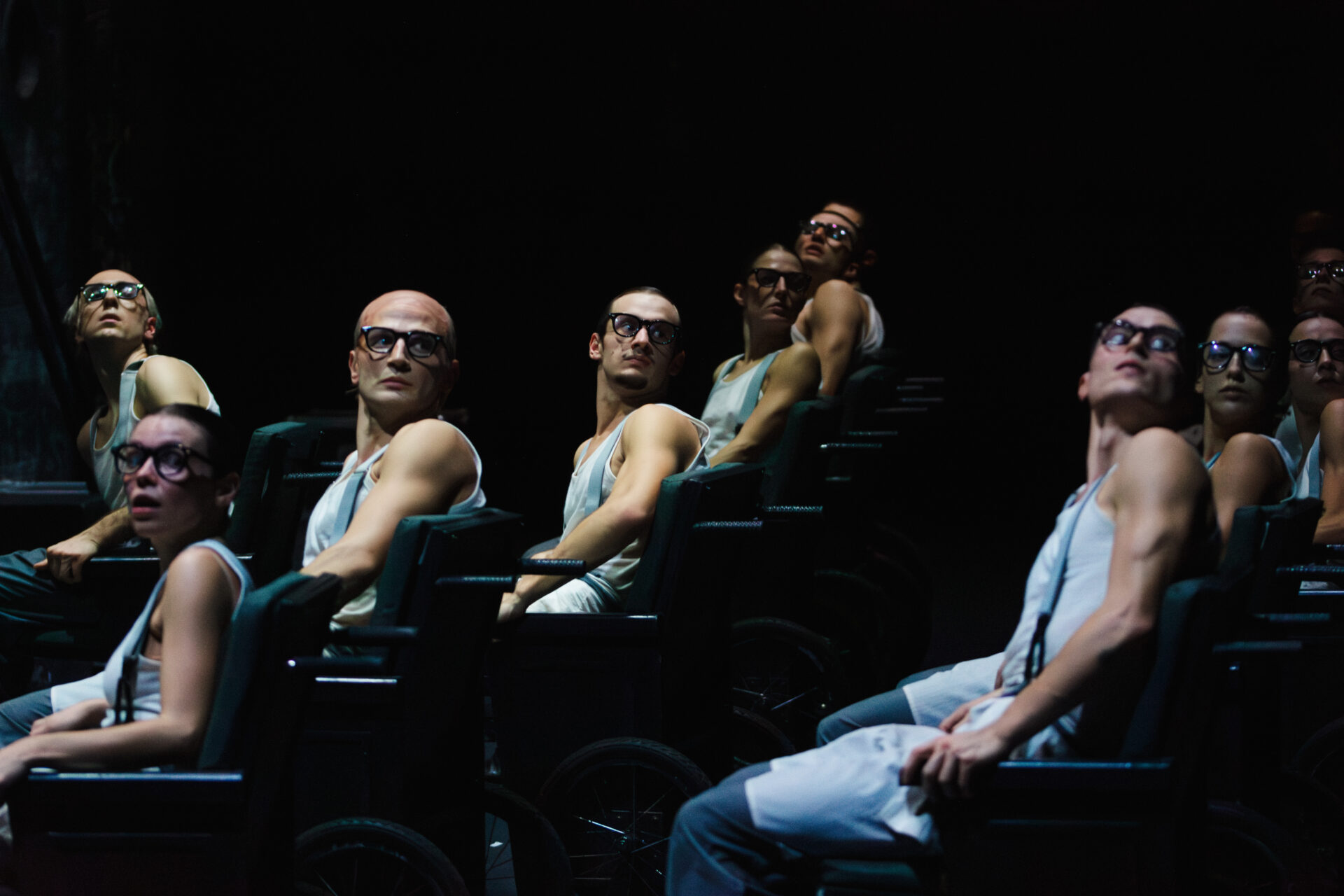
From Rome to Naples: Aterballetto’s March tour
From 2 to 29 March, Aterballetto performs in Italy and on the French Riviera some of the most acclaimed titles from its repertoire, including Notte Morricone by Marcos Morau, Solo Echo by Crystal Pite, and Glory Hall by Diego Tortelli.

Dance Week. A tribute to female creativity
From 1 to 8 March, Dance Week comes to Fonderia, paying tribute to female creativity through visions, languages, and imaginaries shaped by choreographers and artists capable of questioning the present through plural perspectives.

Beauty in Action: CCN/Aterballetto dances at the Closing Ceremony of Milano Cortina 2026
Beauty in Action: on 22 February, Filmmaster and CCN/Aterballetto bring contemporary dance to the Closing Ceremony of the Milano Cortina 2026 Winter Olympic Games, in the magnificent setting of the Verona Arena.
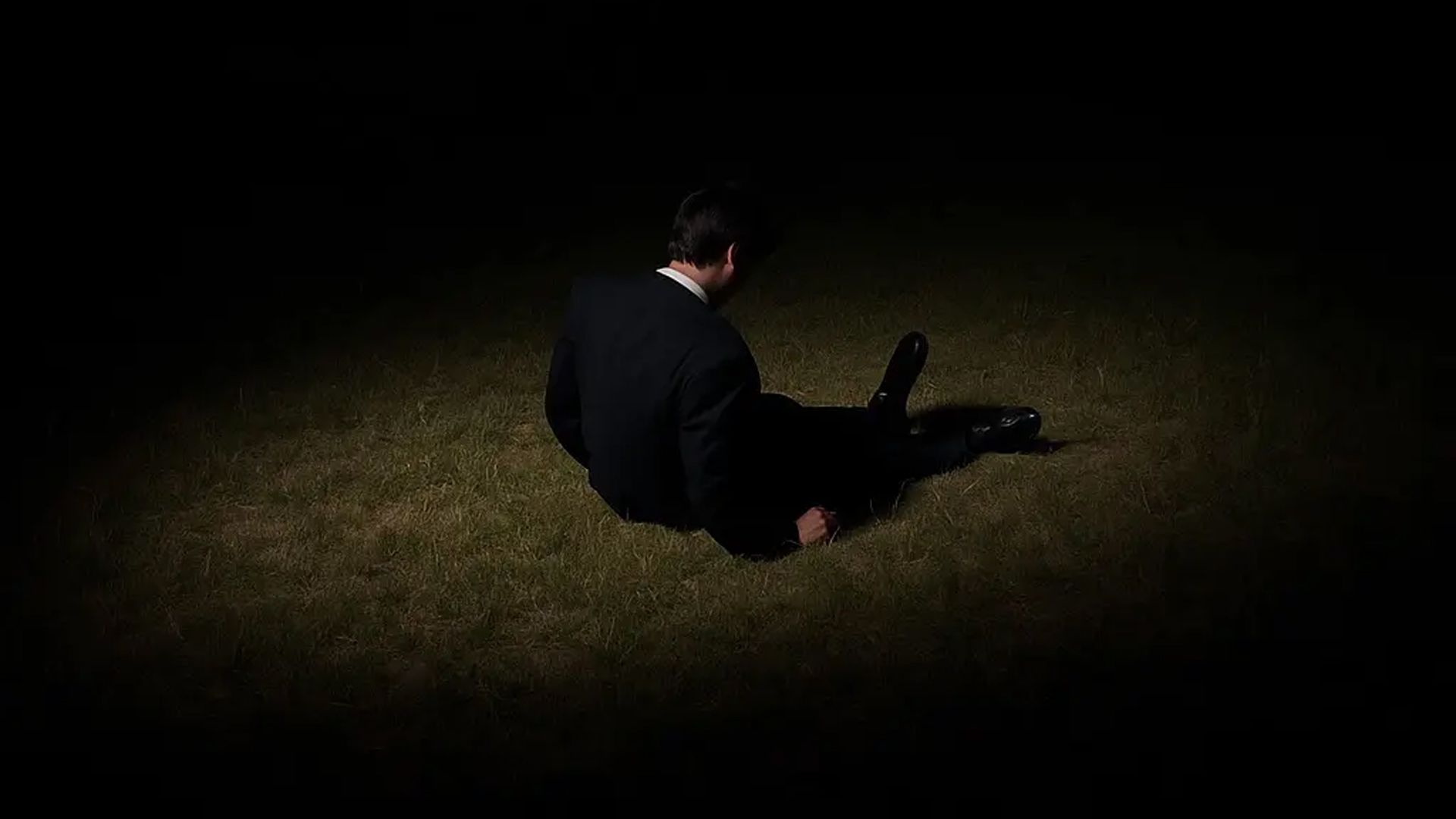
Danza in Fonderia in February
Four events exploring time in dance: from improvisations with an accordion to the tragic fate of Macbeth, from gestures spanning centuries to the talent of new dancers.
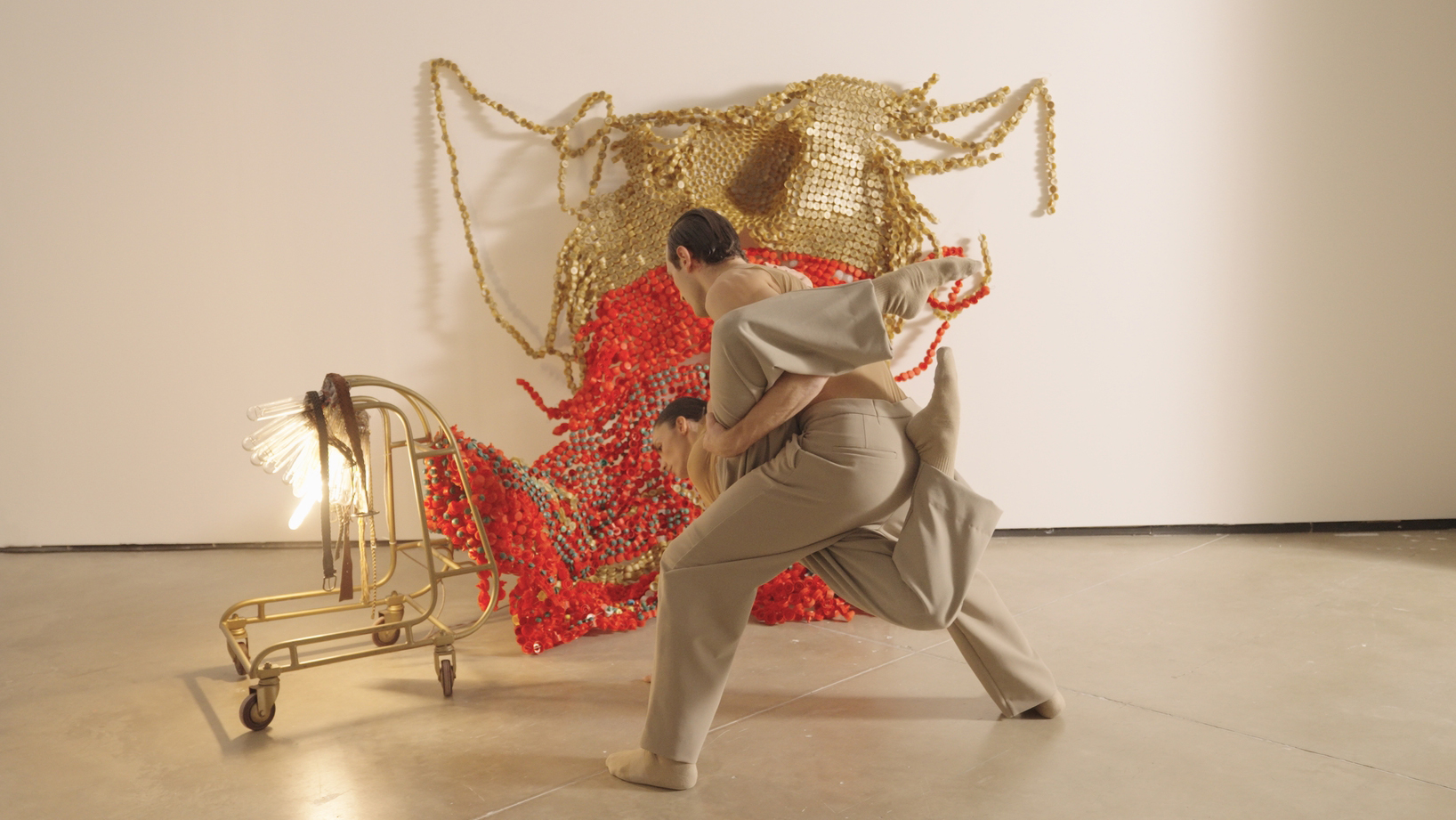
With “AN ECHO, A FRAME”, the performances meet the artworks of “I Preferiti di Marino. Chapter II – Opus Mundi.”
On the occasion of the exhibition “I Preferiti di Marino. Chapter II – Opus Mundi”, on view from 6 February to 28 June 2026 at the Centro Arti e Scienze Golinelli, Fondazione Golinelli, in collaboration with the CCN/Aterballetto, presents the performative project “AN ECHO, A FRAME”, conceived by choreographer Philippe Kratz.

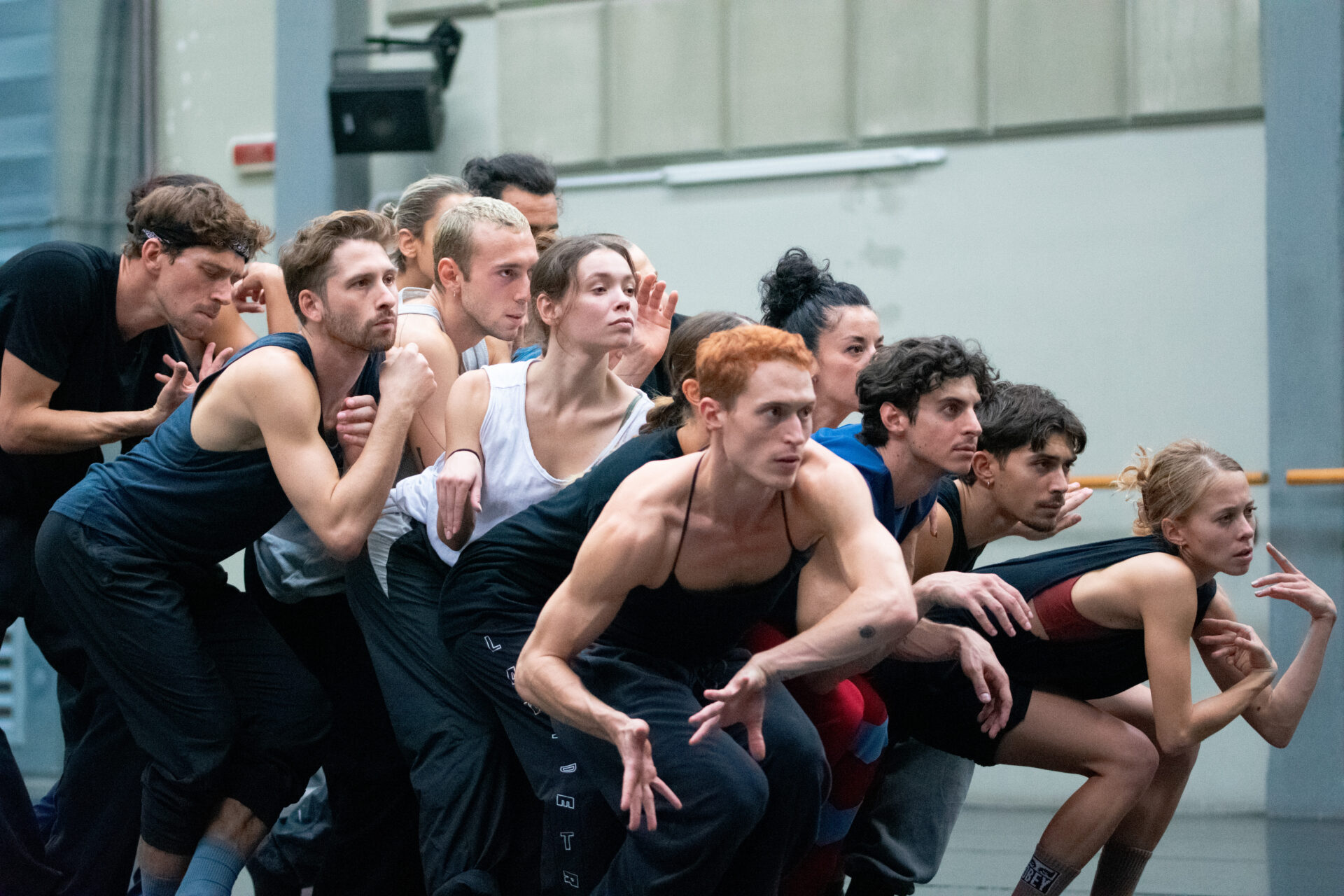
AUDITION – 2026 SEASON
We are looking for new female and male dancers for the Aterballetto company. Apply now!
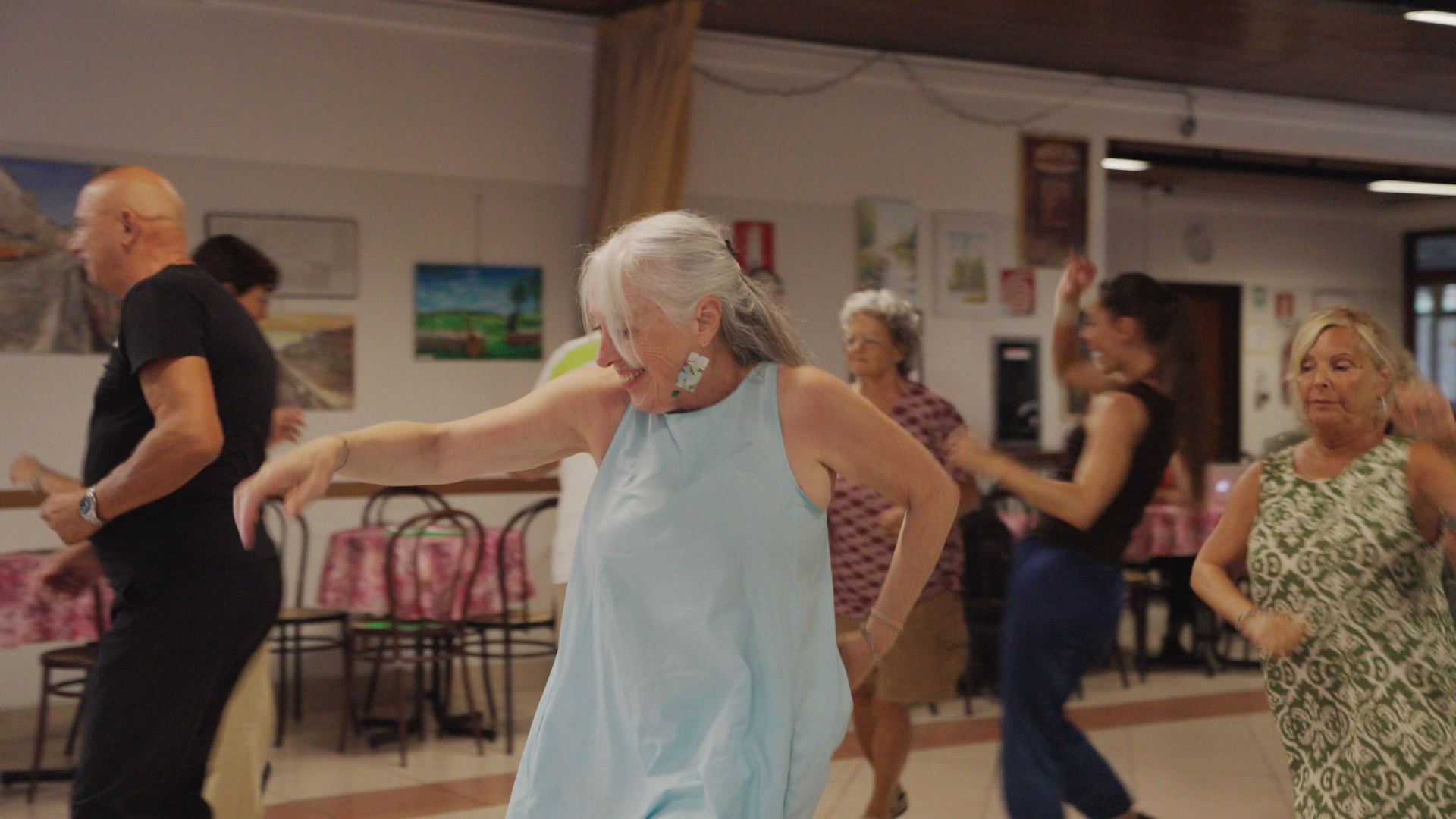
Danza in Fonderia in December
There are four final events in 2025, dedicated to new generations and new technologies.

Aterballetto’s final performances of 2025
In December 2025, Aterballetto’s dance unfolds across Italy, Mexico, and Bulgaria.
Cultura e Conflitti (Culture and Conflicts)
What roles do art, culture, and cultural diplomacy play in the current geopolitical landscape, fraught with uncertainty and omens of conflict?
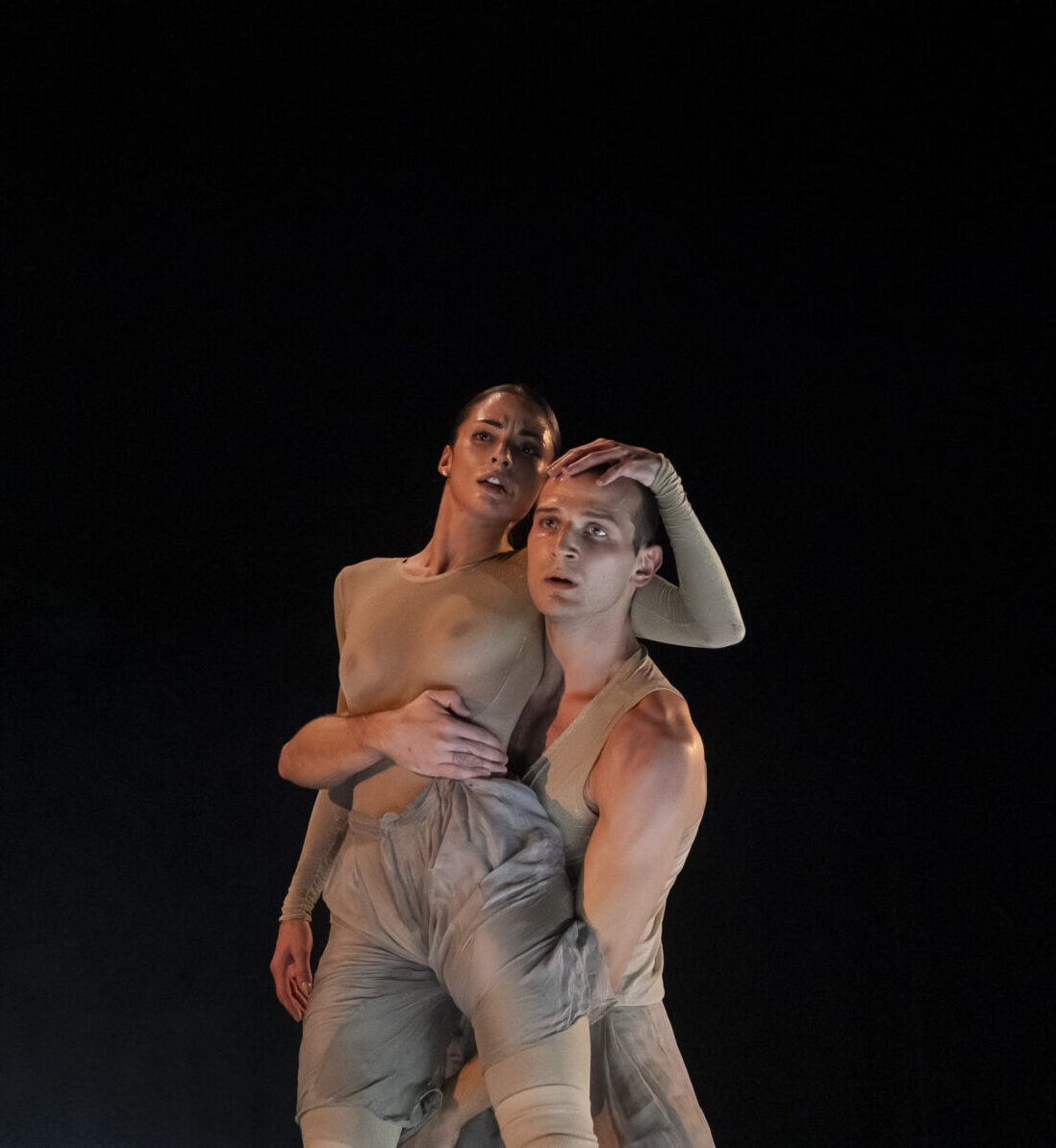
Danza in Fonderia in novembrer
An anthology of choreographic thought: from Maguy Marin’s masterpieces to the Christmas magic of The Nutcracker.
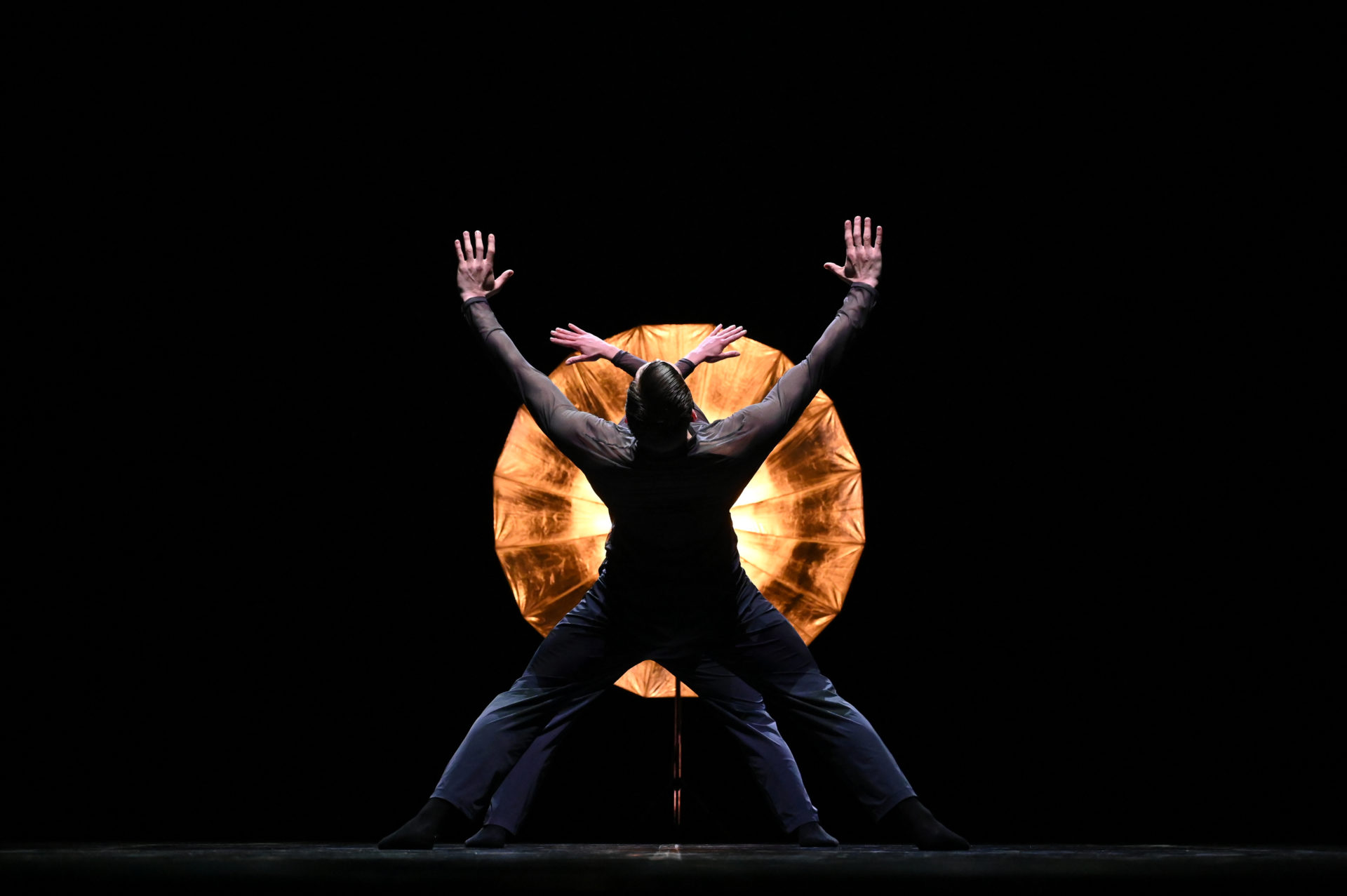
Aterballetto in South Africa for the First Time
As part of the ITALIA DANZA project, and with the support of the Italian Embassy in Pretoria and the Italian Cultural Institute of Pretoria, Aterballetto will perform in South Africa from 8 to 12 November 2025.
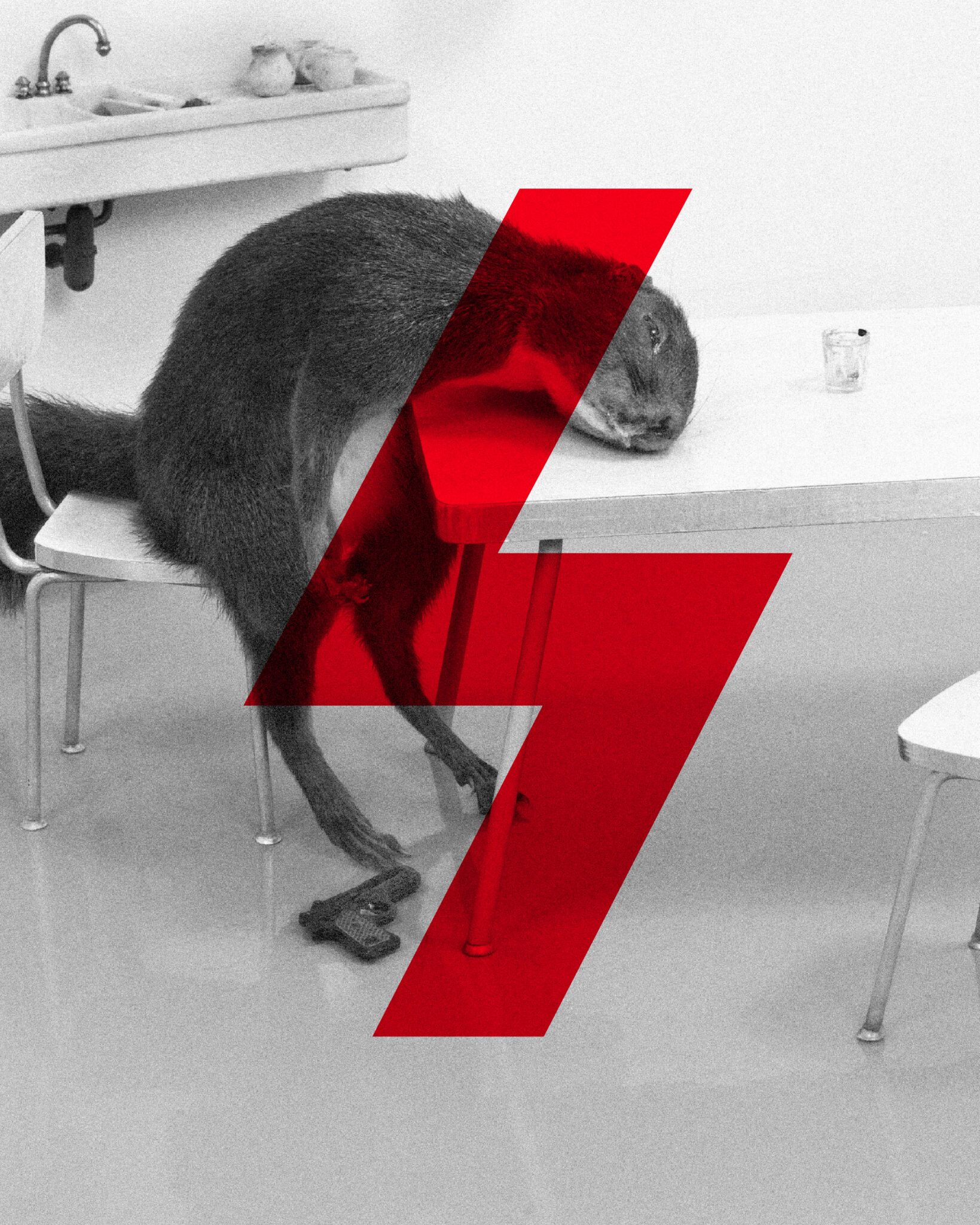
Visioni del Corpo. Maurizio Cattelan: from Paris to Florence
With Nicolas Ballario and choreography by Lara Guidetti, three works by Maurizio Cattelan become the heart of the new edition of Visioni del Corpo, premiering in Paris.
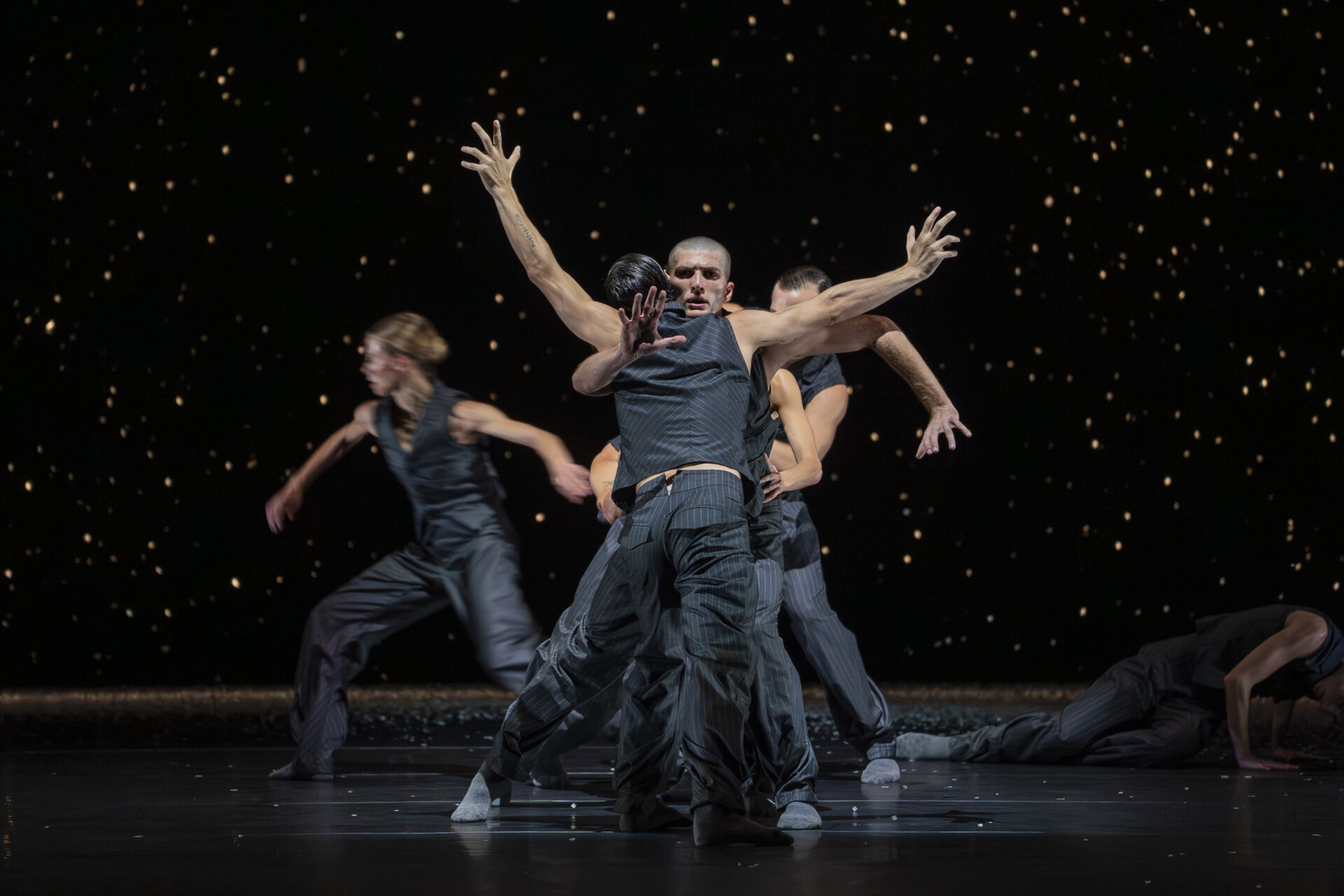
The Italian tour of the CCN/Aterballetto in November
From November 1 to 30, the CCN/Aterballetto is always on stage. Discover the November Italian tour!
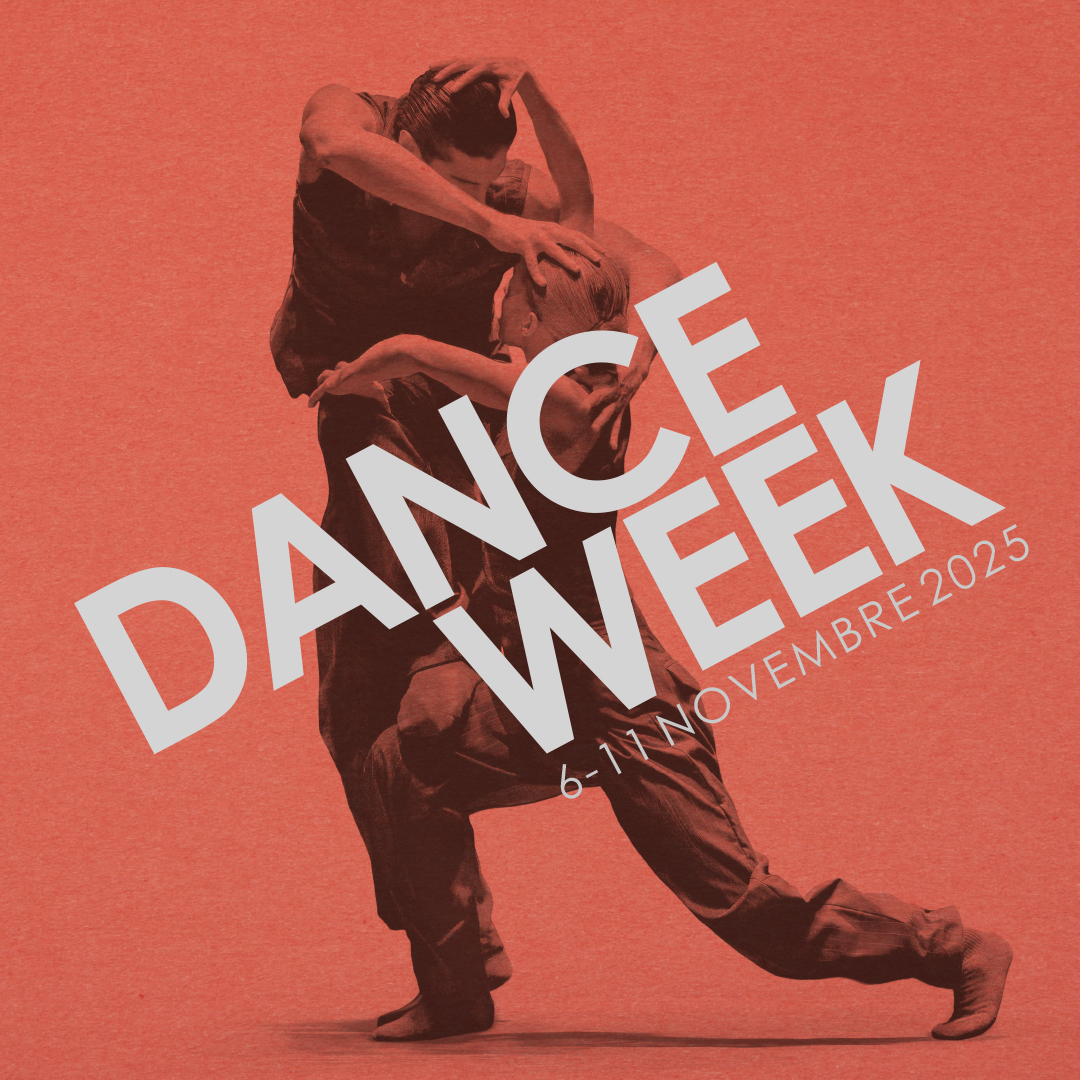
Experience Dance Week. Discover the world of the CCN/Aterballetto.
From November 6 to 11, the Dance Week of the CCN/Aterballetto takes place in Reggio Emilia, featuring performances, workshops, and aperitifs.
Aterballetto performs in Reggio Emilia and surrounding areas this autumn.
Discover our performances at Teatro Valli, our home venue La Fonderia, and Teatro Asioli in Correggio.
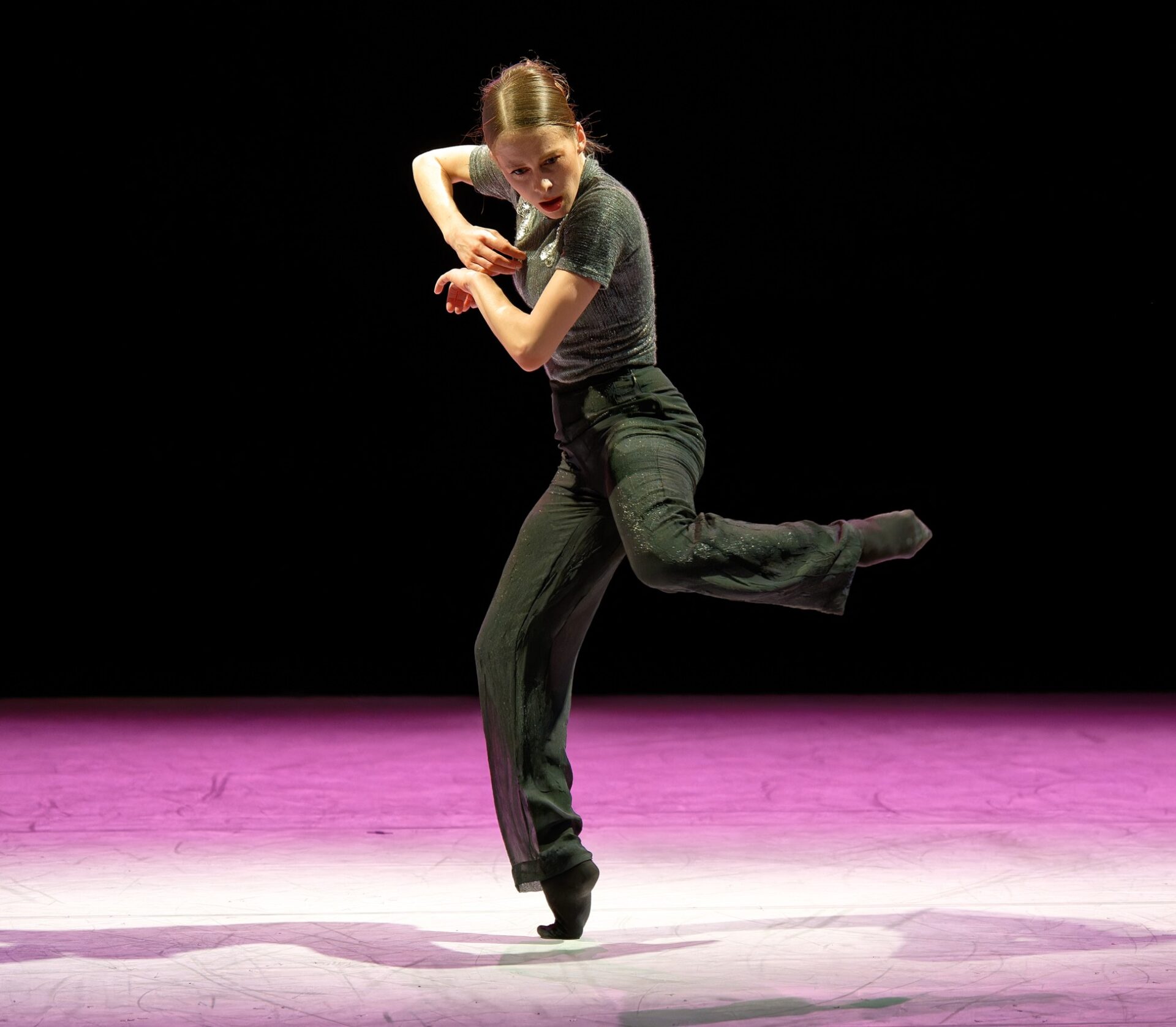
Antologie. Nuove letture del corpo (Anthologies. New Readings of the Body)
Discover the new edition of Danza in Fonderia, the festival by CCN/Aterballetto held at its venue in Reggio Emilia.
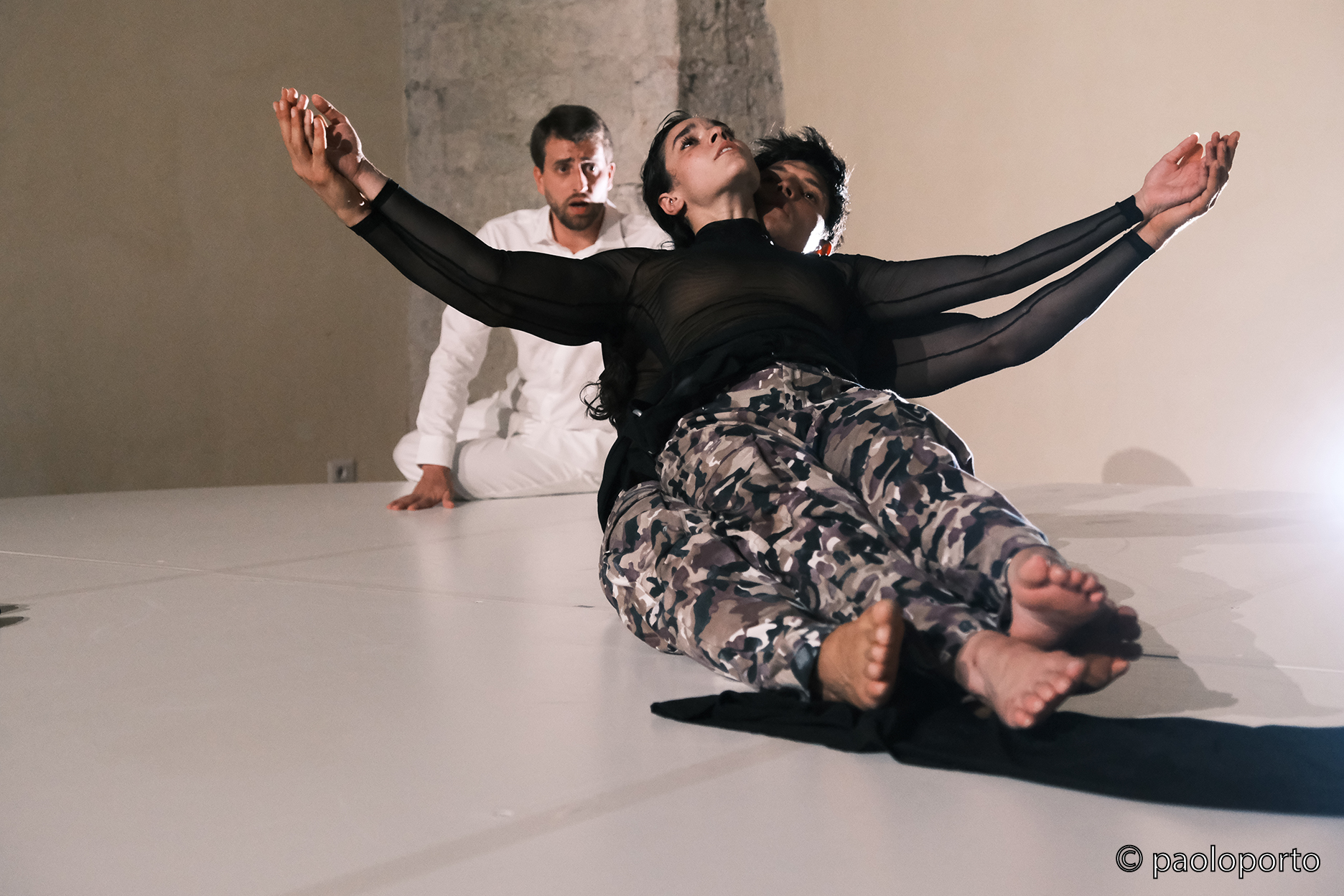
September: CCN/Aterballetto’s tour kicks off again from Toledo and Osaka
CCN/Aterballetto performs Il Combattimento di Tancredi e Clorinda for Spain’s Noche del Patrimonio in Toledo and for Expo 2025 Osaka.

Caracalla Danza
From September 26 to 28 at the Baths of Caracalla, a new project by the Special Superintendency of Rome in collaboration with CCN/Aterballetto comes to life. Guest company: Gauthier Dance. In partnership with Romaeuropa Festival.
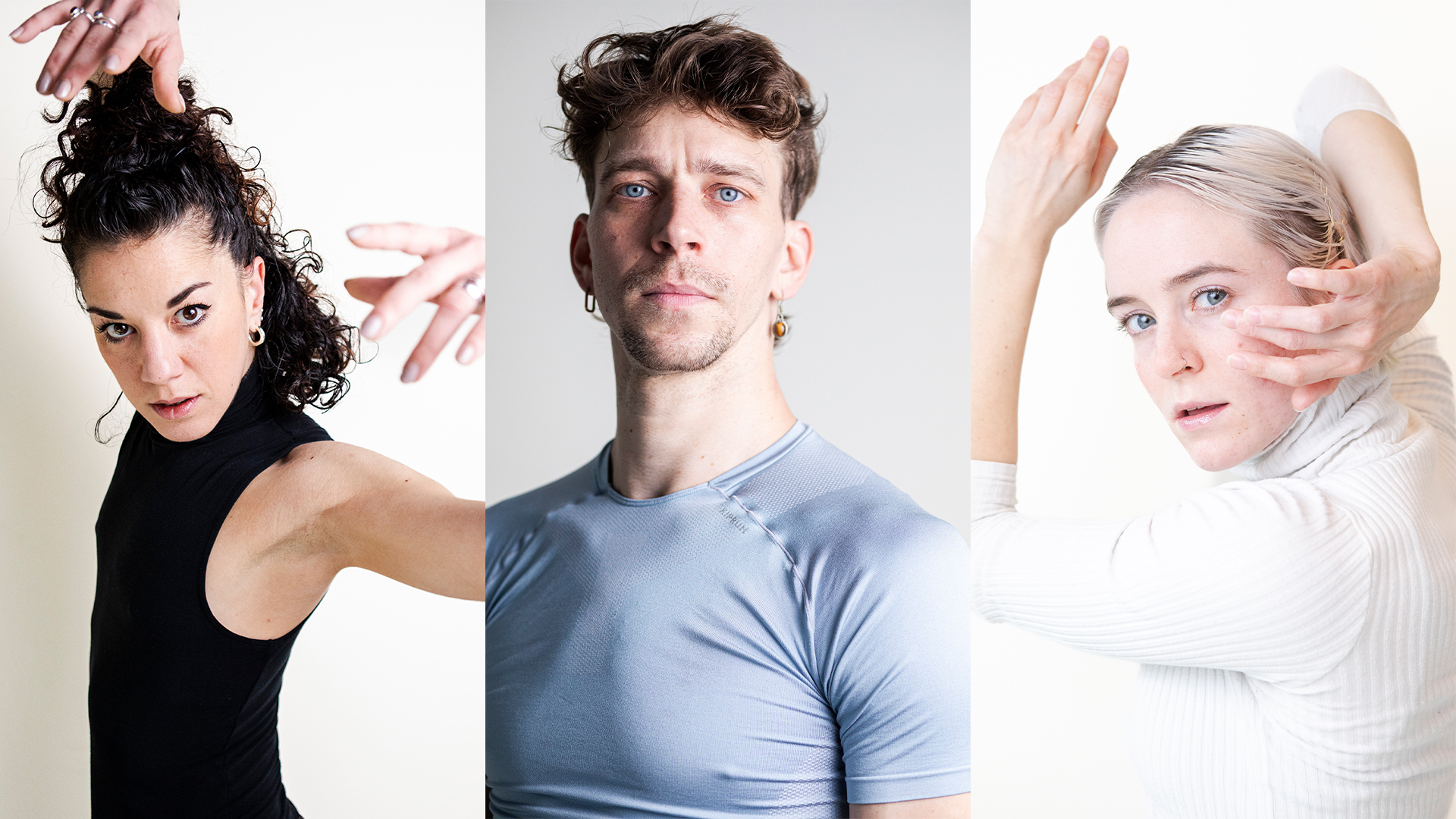
A farewell to the dance by Ivana, Clément, and Sara
With the end of the season, we bid farewell to three dancers who have left a profound mark on the company’s artistic life: Ivana Mastroviti, Clément Haenen, and Sara De Greef.
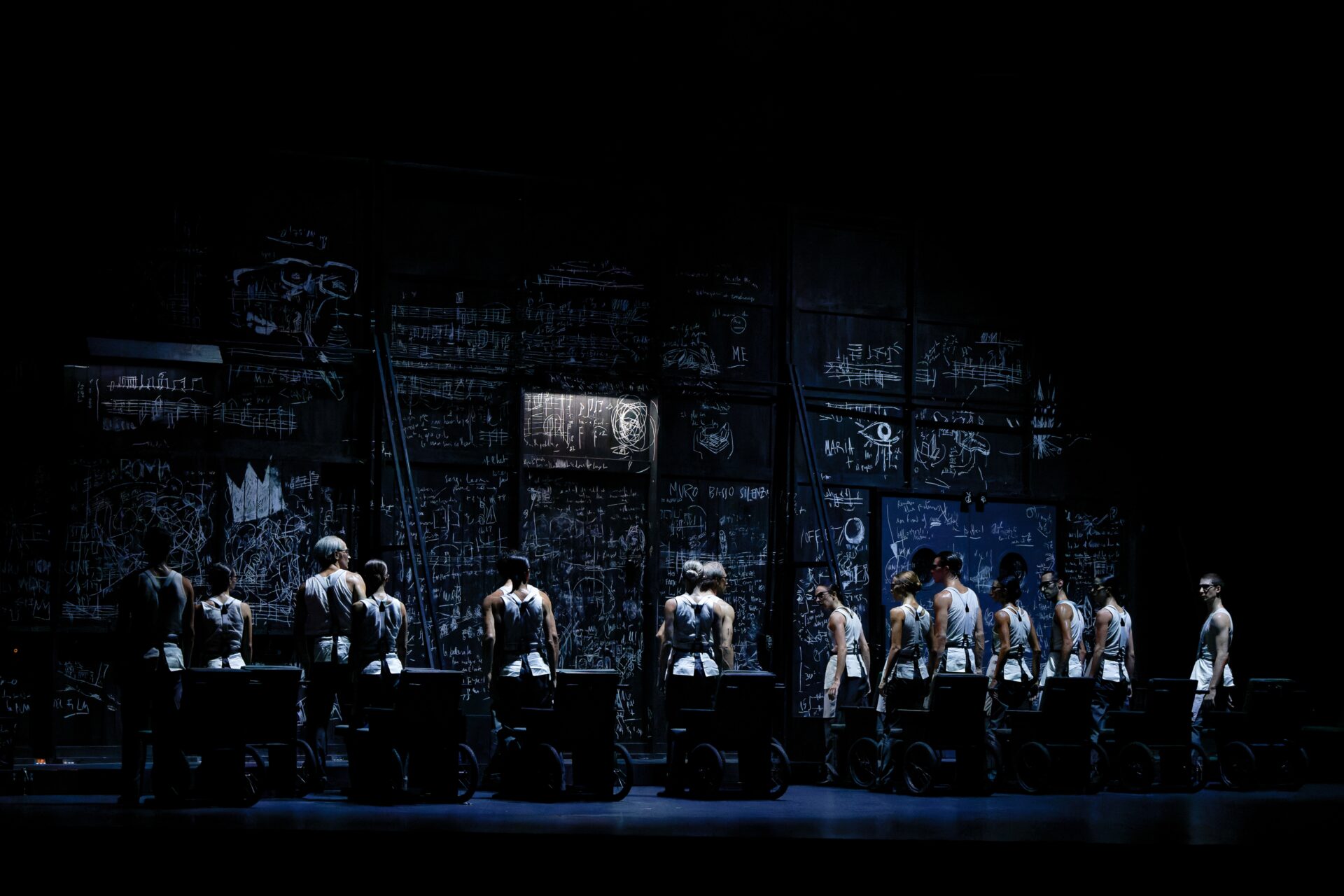
The Final Performances of the 2024–2025 Season
Aterballetto closes the season with Notte Morricone in Pompei and Madrid. Don’t miss our dance on Rai1 and the final performances of SANTA.
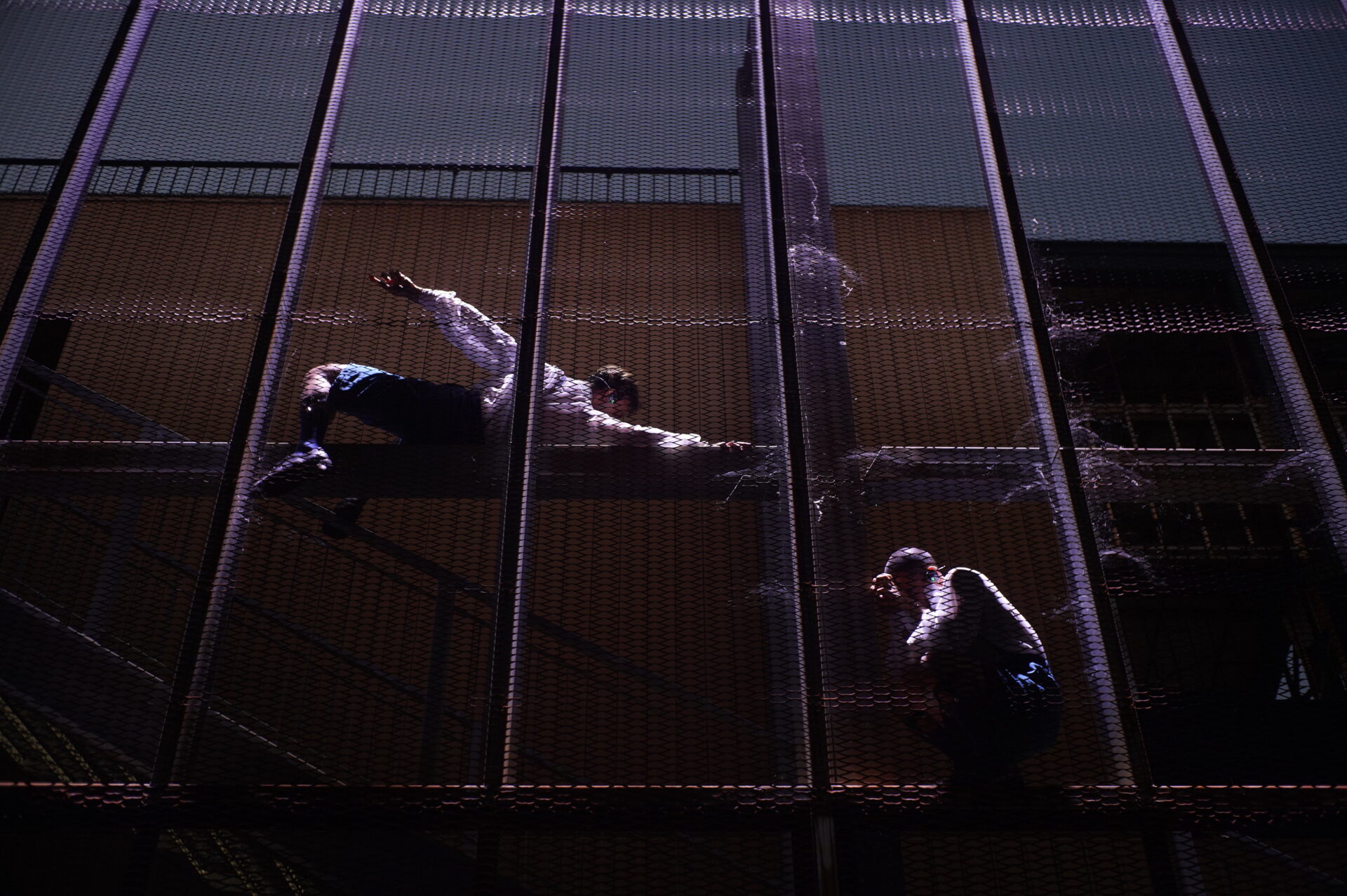
SANTA – Special Performances
On Wednesday, April 2, three special performances of SANTA at Reggiane Parco Innovazione.
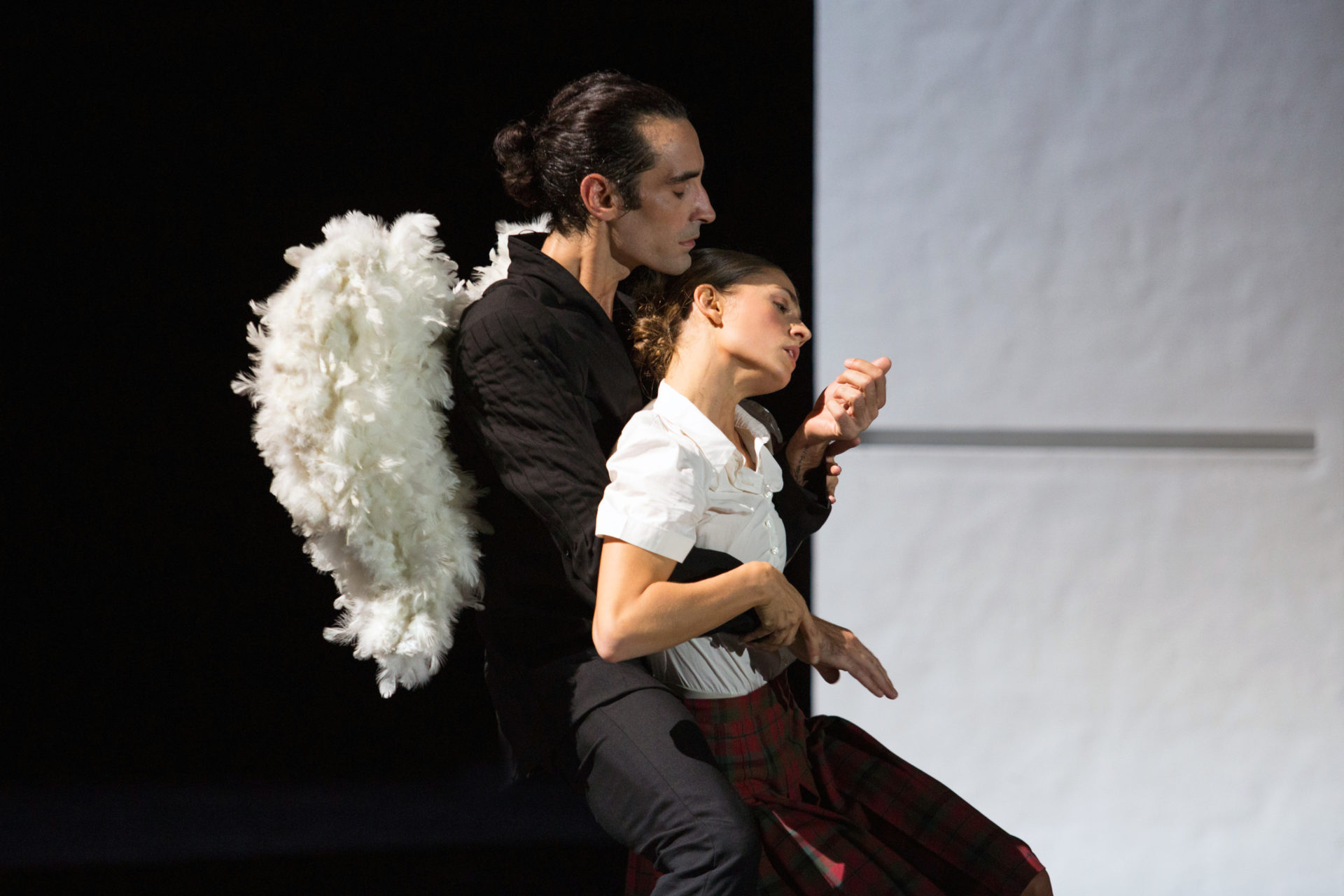
Aterballetto at the Granada Festival
On June 28 and 29, Aterballetto returns to the Granada Festival, performing Don Juan by Johan Inger for the final time, and bringing the MicroDanze to life in the enchanting setting of the Alhambra.
CCN/Aterballetto receives the Taobuk Award in Taormina
On June 21, CCN/Aterballetto will receive the 2025 Taobuk Award at the Teatro Antico di Taormina. Broadcasting on Rai1 on July 2 at 23.00.
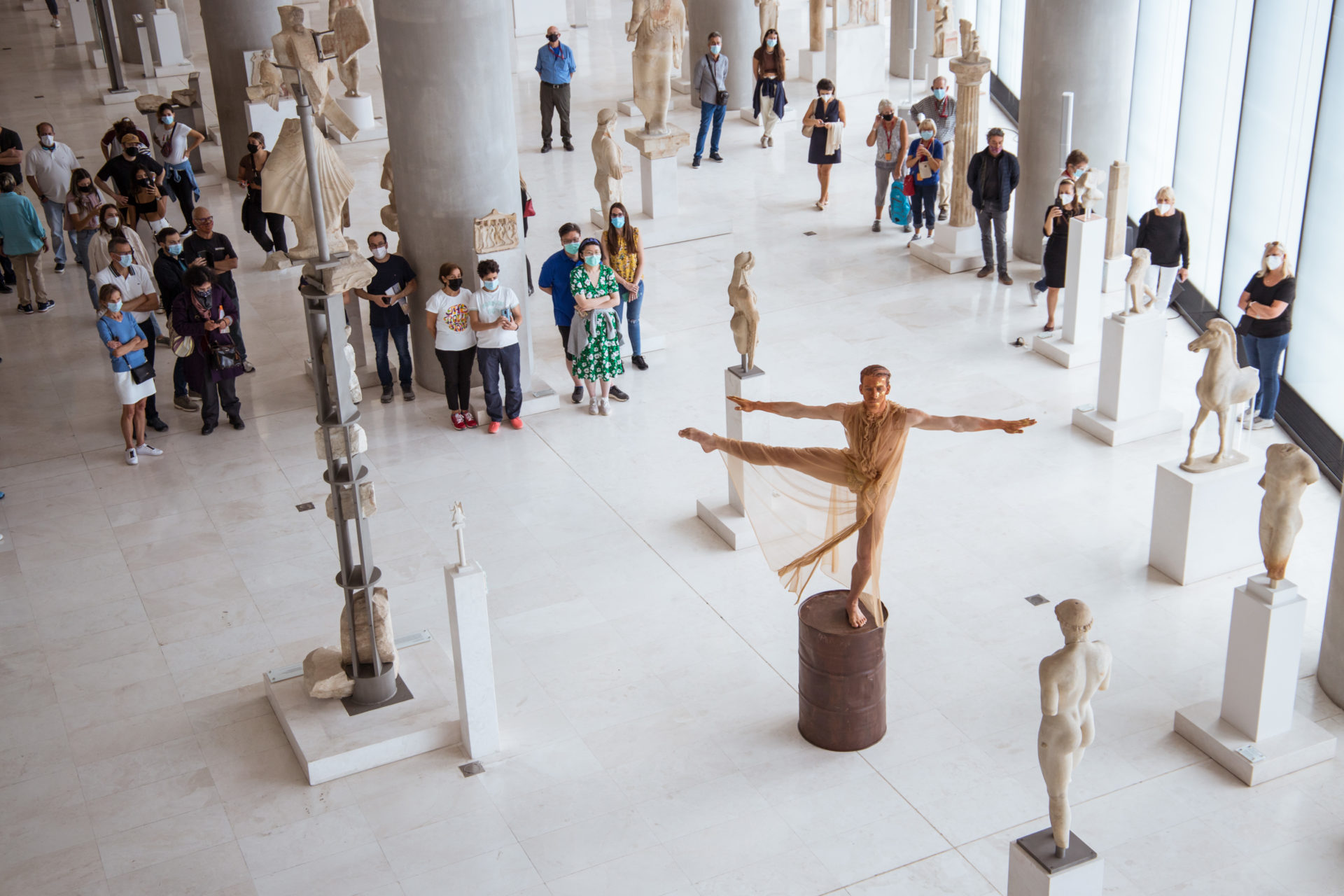
MicroDanze on tour
From Edinburgh to Ravenna, from Granada to Canossa: the MicroDanze continue their tour, bringing dance to new audiences—wherever they may be.